 Save to Pins
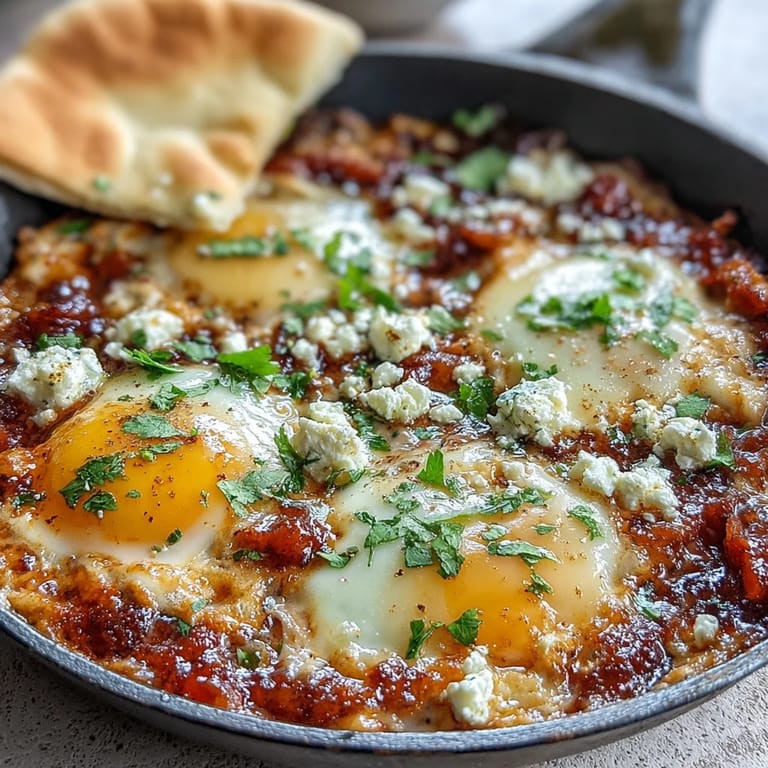
 I discovered shakshuka on a rainy Tuesday morning when my neighbor dropped off a ceramic bowl filled with the most stunning red sauce, steam still rising from the edges, two perfectly runny eggs nestled in the center. She'd made it on a whim before heading to work, she said, and I spent the next hour tearing through warm pita bread and wondering why I'd never thought to poach eggs directly in tomato sauce. Now it's become my go-to when I want something that feels both comforting and exciting, like I'm cooking something from across the world without ever leaving my kitchen.
Last spring I made shakshuka for my partner's parents without realizing how much the smell would fill the entire apartment, drawing them in before we'd even set the table. The cumin and paprika hit first, then the tomatoes, and suddenly everyone was gathered in the kitchen asking questions. That's when I realized this dish does something special—it doesn't just feed people, it brings them closer to the stove, curious and hungry.
Ingredients
- Large onion, finely chopped: Onions are your foundation here, they break down into the sauce and create a subtle sweetness that balances the acidity of the tomatoes.
- Red and yellow bell peppers, diced: These add both color and flavor without overwhelming—I learned to dice them smaller than you'd think so they soften quickly and integrate into the sauce.
- Garlic cloves, minced: Three cloves might seem modest, but mince them fine and add them after the peppers so they perfume the oil without burning.
- Baby spinach (optional): I skip it sometimes and add it other times depending on what's in my crisper, but when included it wilts into the sauce beautifully in about two minutes.
- Jalapeño, seeded and finely chopped (optional for heat): Remove the seeds if you want the flavor without the fire, or leave them in if you're in the mood for a gentle burn.
- Olive oil: Use something you like the taste of, not the cheapest bottle—two tablespoons seems small but it's enough to build flavor without making the sauce heavy.
- Ground cumin, paprika, ground coriander, cayenne pepper: This spice blend is what makes shakshuka taste like itself; don't skip the coriander, it adds a subtle warmth that rounds everything out.
- Crushed tomatoes (28-ounce can): One large can is perfect for four servings, and the acidity mellows as the sauce simmers, so resist the urge to add more tomatoes than called for.
- Sugar: One teaspoon cuts the tomato acidity just enough to let the spices shine, but don't be tempted to add more or the sauce becomes too sweet.
- Salt and black pepper: Taste as you go, especially after the sauce has simmered for a few minutes.
- Large eggs: Use the freshest eggs you can find because you're eating them barely cooked, and make sure your skillet lid fits well so steam can build and set the whites properly.
- Fresh cilantro or parsley, chopped: Cilantro adds brightness and an herbal note that feels necessary, but parsley works if cilantro isn't your thing.
- Crumbled feta cheese (optional): Feta adds a salty, creamy tang that feels luxurious but the dish is wonderful without it too.
- Pita breads, warmed: Warming them right before serving matters more than you'd think, they become flexible and delicious enough that you'll use them to scoop up every last bit of sauce.
Tired of Takeout? 🥡
Get 10 meals you can make faster than delivery arrives. Seriously.
One email. No spam. Unsubscribe anytime.
Instructions
- Build your base with onions and oil:
- Heat the olive oil in a large skillet over medium heat and add the finely chopped onion. Cook for about three minutes, stirring occasionally, until the onion softens and turns translucent but doesn't brown—you're looking for a gentle sweat, not caramelization.
- Add the peppers and let them soften:
- Stir in the diced bell peppers and jalapeño if using, then cook for about five minutes until they begin to soften and release their sweetness. The vegetables should be tender enough that a wooden spoon breaks through easily.
- Toast your spices until fragrant:
- Add the minced garlic, cumin, paprika, coriander, and cayenne, stirring constantly for about one minute until the mixture becomes fragrant and the raw spice smell transforms into something warm and toasted. This step is crucial and only takes about sixty seconds, so stay at the stove.
- Build the tomato sauce foundation:
- Pour in the crushed tomatoes, then add the sugar, salt, and black pepper. Stir well to combine, then let it simmer uncovered for ten to twelve minutes, stirring occasionally, until the sauce thickens and the tomato flavor becomes more rounded and less sharp.
- Wilt in the greens quietly:
- If you're using spinach, add it now and stir gently for about two minutes until it collapses into the sauce and disappears. The sauce should taste rich and balanced at this point.
- Create wells for the eggs:
- Using the back of a wooden spoon, make four to six small indentations in the sauce, spacing them so they won't touch each other as the eggs cook. These wells help contain the eggs and keep them from spreading.
- Add the eggs and cover:
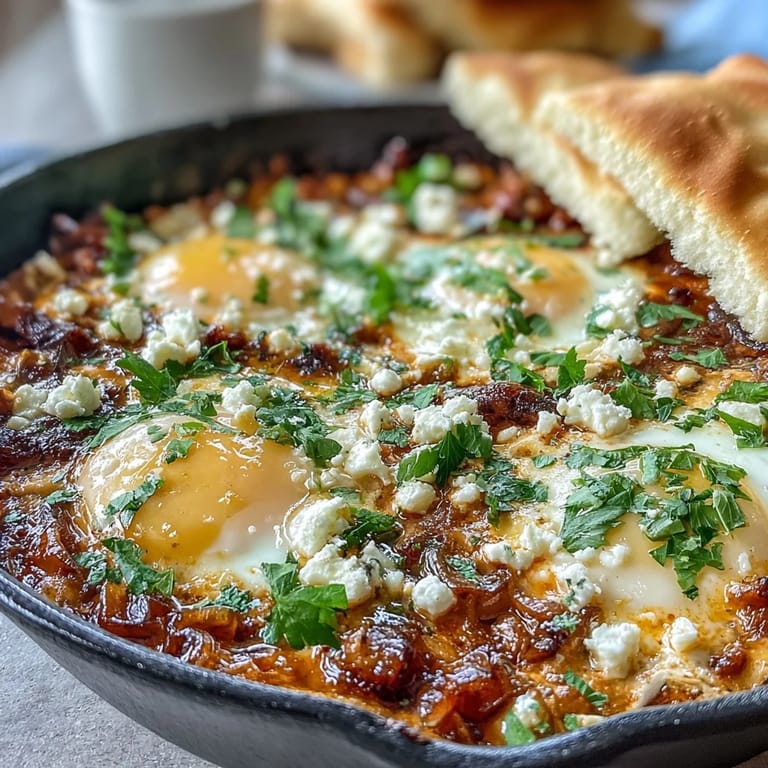
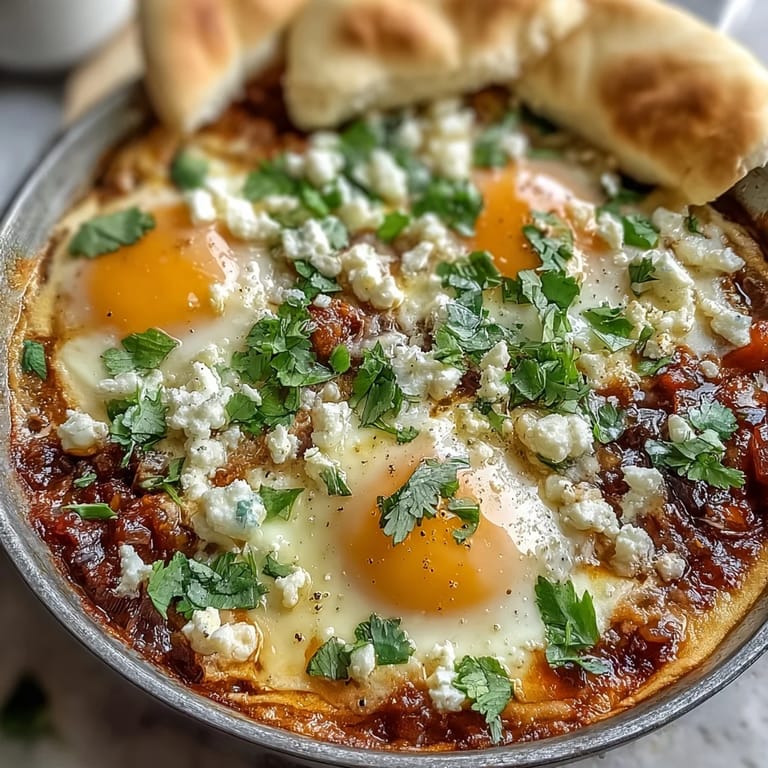
- Crack each egg carefully into a well, trying to keep the yolk intact. Cover the skillet with a lid and cook for six to eight minutes until the egg whites turn opaque and set, but the yolks still jiggle slightly when you gently shake the pan.
- Finish with fresh herbs and cheese:
- Remove from heat and scatter the chopped cilantro or parsley over the top, then add crumbled feta if you're using it. The residual heat will soften the cheese slightly.
- Serve immediately with warm pita:
- Transfer the skillet to the table if you're confident about your handles, or portion into bowls, making sure each serving gets at least one whole egg and plenty of sauce. Serve with warm pita bread alongside for dipping and scooping.
 Save to Pins
 There was a morning last month when my daughter asked to help make breakfast, and I let her crack the eggs into the sauce while I held my breath, amazed that somehow she managed to get all of them in without shells and with most of the yolks still whole. We sat together ten minutes later, dipping pita into the warm sauce, and she declared it tasted like the holidays even though it was the middle of June. That's when I understood shakshuka isn't just food, it's an invitation to slow down together.
Why The Spices Matter So Much
The beauty of shakshuka lives in the spice combination, and I learned this lesson the hard way when I once tried to skip the coriander thinking it wouldn't matter. The result was a one-dimensional sauce that tasted aggressively cumin-heavy, and I've never made that mistake again. That subtle coriander and paprika are what make the sauce taste like it traveled through markets and hands and generations instead of just tasting like tomato and heat. Cumin brings earthiness, paprika adds sweetness and color, cayenne provides fire if you want it, but coriander is the secret note that makes everything coherent and balanced. Toast them in oil for just long enough to wake them up, and don't rush this step.
The Runny Egg, The Point Of It All
Getting the eggs right is really about understanding your skillet and your stove, because every cooktop behaves differently. On my gas range, six to eight minutes gives me exactly what I want—whites set and yolks still loose enough that they break and create their own sauce when I cut into them. I've learned to look for the moment when the whites turn from translucent to opaque, which is more reliable than watching the clock. The joy of shakshuka is that moment when you break into the egg and the yolk flows into the red sauce, creating this creamy, luxurious texture that makes everything taste better. If you prefer firmer yolks, add another two minutes, but I'd encourage you to try it with runny yolks at least once, because that's where the magic lives.
Variations And Additions You Can Play With
Once you understand the basic technique, shakshuka becomes endlessly adaptable, and that's part of why I keep making it. I've added chickpeas when I wanted more protein and didn't have meat on hand, thrown in fresh tomatoes instead of canned in summer when they're actually good, and experimented with different cheeses ranging from creamy labneh to tangy Greek yogurt stirred in at the end. Last month I added roasted red peppers from a jar because they were there, and it transformed the whole thing into something richer and more complex. The sauce is forgiving enough to accommodate what you have and creative enough that you're not just following orders, you're interpreting a template.
- Add chickpeas or crumbled tofu if you want extra protein without meat.
- Stir in roasted red peppers or sun-dried tomatoes for deeper flavor and complexity.
- Drizzle with labneh or Greek yogurt instead of feta for a cooling contrast to the heat.
 Save to Pins
 Shakshuka has become the dish I reach for when I want something that nourishes both hunger and spirit, and I hope you find that same magic in it. Come back to this recipe often, adjust it without fear, and remember that the best version is always the one cooked with intention and shared with people you like being around.
Frequently Asked Questions
- → How do you achieve the perfect poached eggs in the tomato sauce?
Make small wells in the simmering sauce and gently crack eggs into them. Cover the pan and cook over low heat until egg whites are just set but yolks remain runny, usually 6-8 minutes.
- → Can I adjust the spiciness of this dish?
Yes, control heat by adding or reducing jalapeño and cayenne pepper according to your preference.
- → What are good accompaniments to serve alongside?
Warm pita bread is traditional for dipping, and sides like labneh or Greek yogurt complement the flavors well.
- → How can I make this dish vegan-friendly?
Omit eggs and feta, and consider adding chickpeas or tofu for extra protein to maintain heartiness.
- → Is it possible to prepare this dish gluten-free?
Yes, substitute pita bread with gluten-free bread or flatbread alternatives to keep it gluten-free.
- → What herbs work best as garnishes?
Fresh cilantro or parsley provide a bright, fresh contrast to the rich tomato base.