 Save to Pins
 I discovered this dish on a humid summer afternoon at a small izakaya in Tokyo, where the chef pushed a bowl of glossy corn across the counter with a knowing smile. The butter was still crackling, garlic perfuming the air, and when I took that first bite, I understood why something so simple could taste so complete. Years later, I still chase that same magic in my own kitchen, and it never fails to remind me why the best dishes are often the ones that need the fewest ingredients.
My roommate came home one evening to find me standing over a skillet, butter foaming, the kitchen filled with the kind of smell that stops you in your tracks. She grabbed a spoon without asking and we ate straight from the pan, both of us quiet, both of us reaching back in immediately. She's made this at least a dozen times since, always with that same reverent approach to the moment when the soy sauce hits the hot kernels.
Ingredients
- Fresh corn or frozen kernels: Fresh corn has that burst of natural sweetness, but frozen works beautifully if you thaw it first and don't stress about missing peak season.
- Unsalted butter: This is your flavor foundation, so use butter you'd actually eat on toast, not the stuff hiding in the back.
- Garlic, finely minced: The size matters here—tiny pieces distribute evenly and won't leave you biting into raw garlic chunks mid-chew.
- Soy sauce: The umami backbone that transforms plain buttered corn into something memorable, so don't reach for the reduced-sodium version.
- Black pepper and sea salt: Freshly ground pepper makes a real difference in the final bite, trust me.
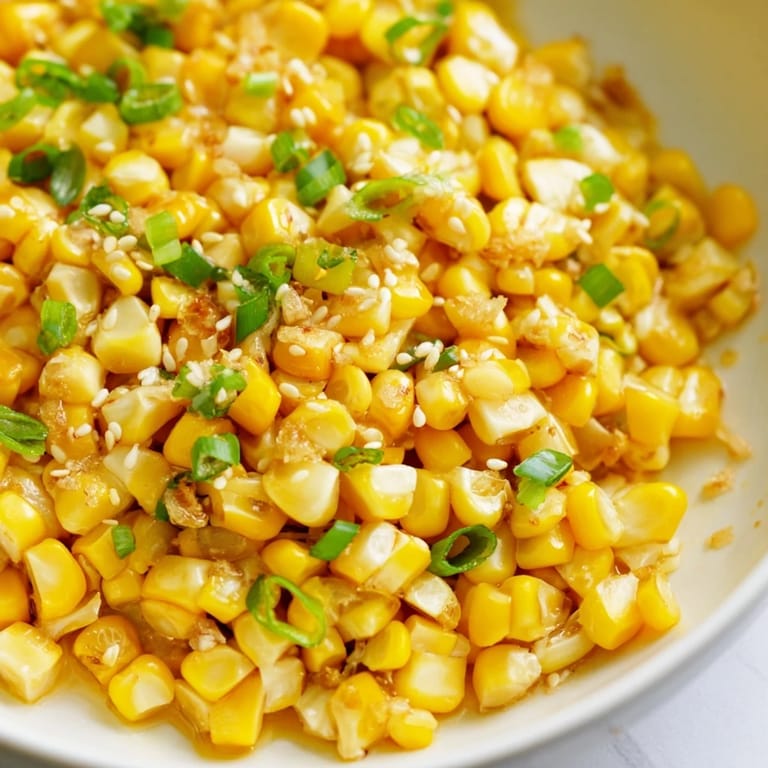
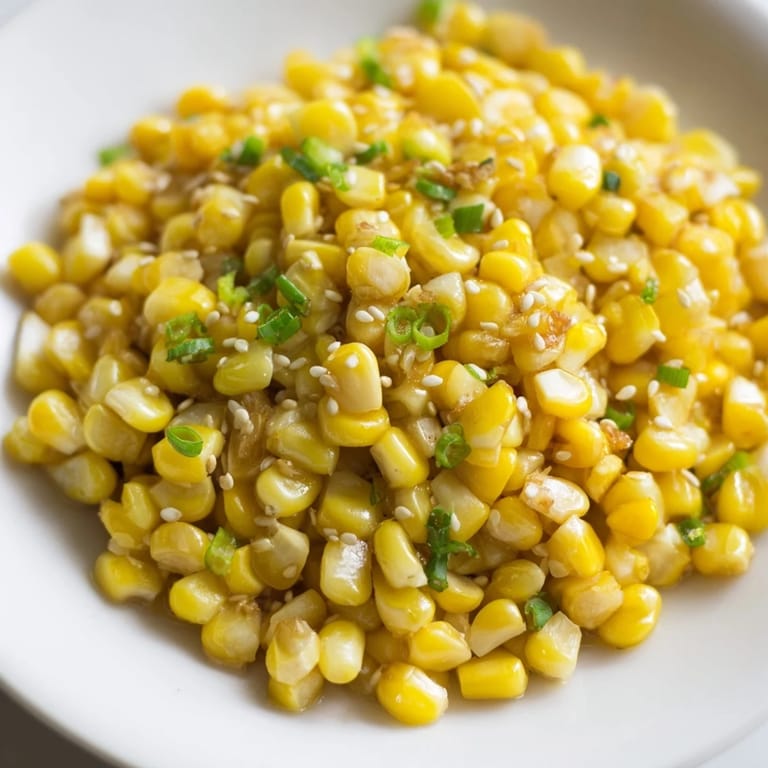
- Scallions and sesame seeds: These are optional but absolutely worth the garnish—they add color, crunch, and a final note of elegance.
Tired of Takeout? 🥡
Get 10 meals you can make faster than delivery arrives. Seriously.
One email. No spam. Unsubscribe anytime.
Instructions
- Prepare the corn:
- If you're using fresh ears, run a sharp knife down the cob with a careful motion—you want to catch the kernels cleanly without scraping too much of the woody interior. If using frozen, thaw it fully and pat it dry with a towel so it sears instead of steaming.
- Melt the butter slowly:
- Medium heat is your friend here; watch as the butter transforms from solid to foamy, that moment is when you add the garlic. This takes about a minute and the sound changes.
- Toast the garlic gently:
- Add your minced garlic and immediately start stirring—you want it fragrant and soft, not brown and bitter. Thirty seconds feels short but that's exactly right.
- Cook the corn with intention:
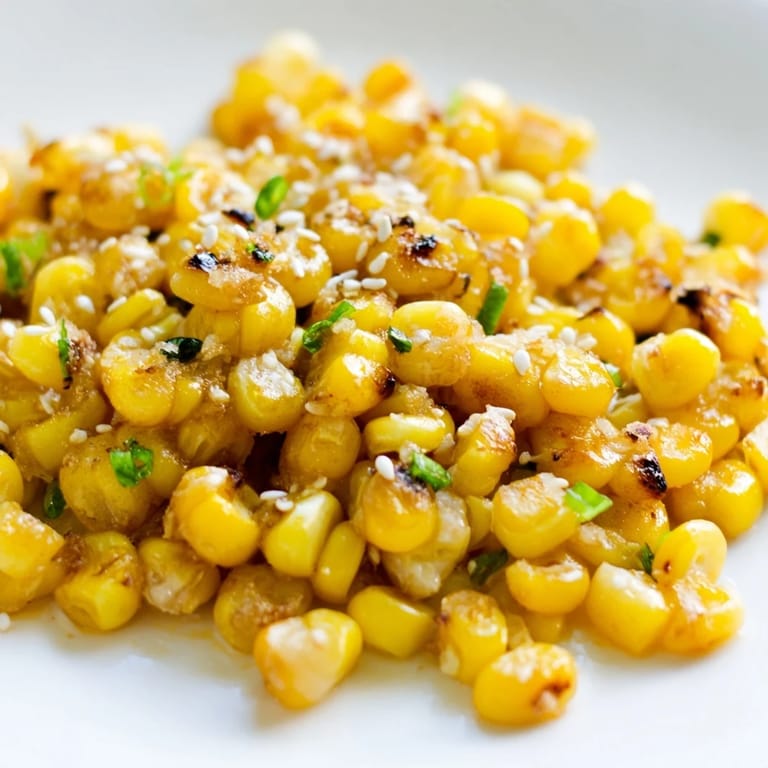
- The kernels should sizzle when they hit the pan, and after four to five minutes of stirring, you'll see edges turn golden. This is the sweet spot where flavor deepens.
- Finish with soy sauce:
- Pour it in and watch the steam rise, then stir until every kernel gets coated in that glossy, salty coating. Cook just until the liquid mostly evaporates, about a minute more.
- Season and taste:
- Black pepper goes in now, then a tiny pinch of salt if needed. Taste before serving because every soy sauce tastes slightly different.
- Garnish and serve:
- Transfer to your serving dish while the heat still carries the aroma upward, then scatter scallions and sesame seeds on top if you're using them. Serve immediately while everything is still warm.
 Save to Pins
 I made this for a dinner party once where someone mentioned they were tired of boring sides, and I watched their expression shift from skeptical to genuinely delighted after the first forkful. That moment—when something so humble becomes the thing people actually remember from the meal—that's when I realized this isn't just a recipe, it's a quiet act of generosity.
Fresh Versus Frozen
Fresh corn in summer has that crisp snap and concentrated sweetness that frozen kernels can't quite replicate, but frozen corn arrives already separated and ready, which means you can make this on a Tuesday in March without planning ahead. I've served both versions at the same table and honestly, if you don't tell people which is which, most won't notice the difference—they'll just taste the butter and garlic and soy and be happy.
Playing with Flavor
The base recipe is bold enough to stand alone, but there's room to play if you're feeling adventurous. A teaspoon of mirin added with the soy sauce brings subtle sweetness that rounds out the flavors, while a tiny spoonful of mayo stirred in at the end creates richness without being obvious about it. I once added a thread of chili oil that turned it into something spicy and slightly dangerous—the kind of thing you eat faster because you can't help yourself.
Serving Suggestions
This dish shines beside grilled meats, tucked into a rice bowl, or even scattered over warm ramen where the buttery kernels sink into the broth. Some of my favorite moments have been spooning this over rice with grilled fish, watching the flavors mingle together into something that feels both simple and special.
- Serve it hot straight from the skillet while the garlic perfume is still in the air.
- Leftover corn keeps for a few days refrigerated and tastes just fine cold, though it's never as magical as the first serving.
- Double the recipe for a crowd because people always go back for more, and there's never quite enough.
 Save to Pins
 This is the kind of dish that reminds you why cooking at home matters, why paying attention to small moments in the kitchen pays dividends. Make it once and you'll understand why I keep coming back to it.
Frequently Asked Questions
- → Can I use frozen corn instead of fresh?
Yes, thawed frozen corn works well and saves prep time without compromising flavor.
- → What is the best butter to use for this dish?
Unsalted butter is recommended to control seasoning, but plant-based alternatives can be used for dairy-free options.
- → How do I avoid burning the garlic while sautéing?
Sauté minced garlic over medium heat and stir continuously for about 30 seconds until fragrant, avoiding browning.
- → Can I adjust the soy sauce for less saltiness?
Absolutely, reduce the soy sauce amount or opt for a low-sodium variety to suit your taste.
- → What are good garnishes to complement this dish?
Chopped scallions and toasted sesame seeds add freshness and a subtle nutty crunch.
- → Is this dish suitable for gluten-free diets?
Yes, ensure you use gluten-free soy sauce to keep it gluten-friendly.