 Save to Pins
 There's a moment in every Greek kitchen where someone decides it's time for saganaki, and suddenly the whole room fills with anticipation. I learned to make this from watching my neighbor flip the cheese in a hot pan—that precise moment when it turns golden and the edges start to crisp. She'd always say the best part wasn't the eating, it was the sound of the sizzle and that first squeeze of lemon hitting the warm cheese. It's the kind of dish that takes five minutes but feels like a small celebration.
I'll never forget serving this at a casual dinner party where someone said they weren't really a cheese person, then ate four pieces without thinking. That's when I realized saganaki isn't about being fancy—it's about that one perfect bite that changes someone's mind about what they like.
Ingredients
- Greek cheese (kasseri, kefalotyri, or halloumi), 200 g sliced 1 cm thick: The thickness is everything here; too thin and it won't have time to melt inside, too thick and the outside burns before the center softens. I learned this after a few burnt experiments.
- All-purpose flour (or gluten-free), 2 tbsp: This creates that crucial crispy coating—don't skip it and don't use too much or you'll get a flour-y taste instead of cheese-forward flavor.
- Olive oil, 2 tbsp: Use a good quality oil since there are so few ingredients; the oil carries all the flavor and browning happens fast.
- Lemon, 1 cut into wedges: Fresh lemon is non-negotiable; it cuts through the richness and makes every bite feel bright and balanced.
- Dried oregano, 1/2 tsp: A light hand here—this is a seasoning that should whisper, not shout.
- Freshly ground black pepper, to taste: The fresh grind matters because pre-ground pepper tastes dusty next to hot cheese.
Tired of Takeout? 🥡
Get 10 meals you can make faster than delivery arrives. Seriously.
One email. No spam. Unsubscribe anytime.
Instructions
- Prepare your cheese for its golden moment:
- Pat each slice completely dry with paper towels; any moisture will steam instead of fry. This step takes thirty seconds and changes everything about the final texture.
- Create a light flour jacket:
- Dredge each slice in flour and shake off the excess over the plate—you want a whisper of coating, not a thick layer. Think of it like dusting, not dredging.
- Get your pan singing hot:
- Heat the olive oil in a non-stick skillet over medium-high heat until it shimmers and moves easily; when you're ready, it should respond immediately to the cheese hitting the pan.
- Fry until golden and irresistible:
- Add the cheese slices and listen for that immediate sizzle; fry for 1 to 2 minutes per side until the edges are deep golden and the cheese starts peeking out. You'll see the magic happen the second you flip it.
- Finish with care:
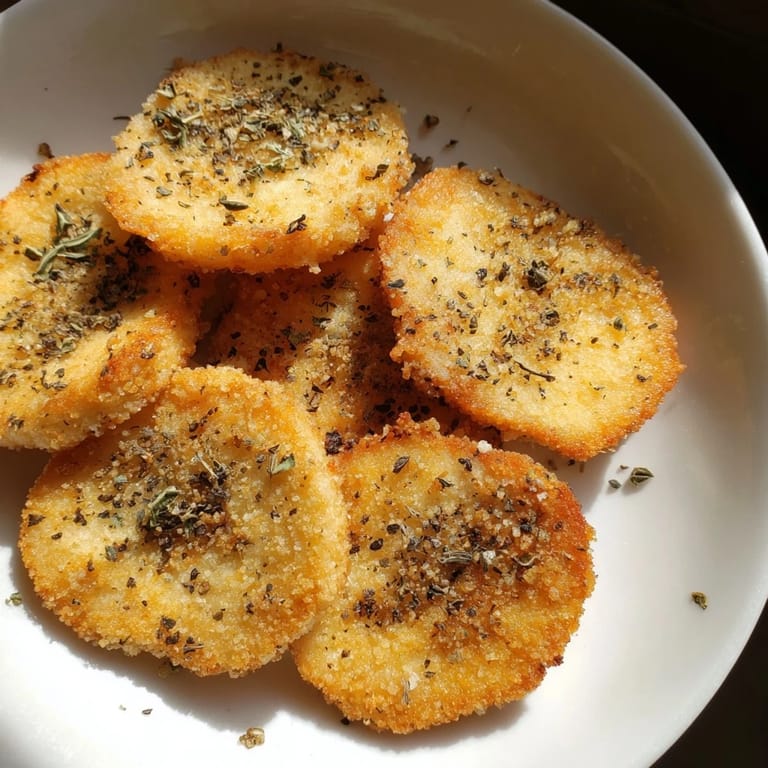
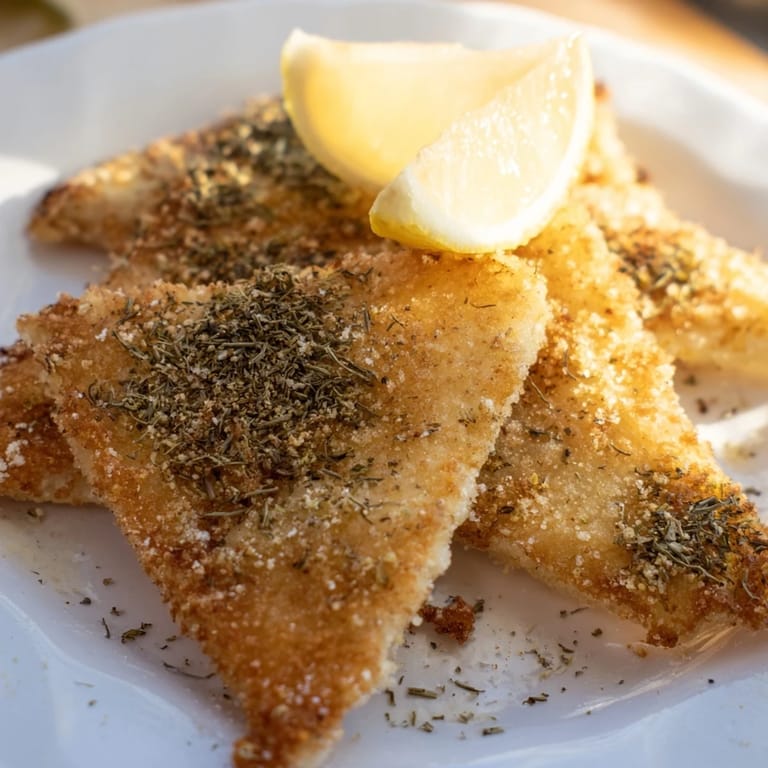
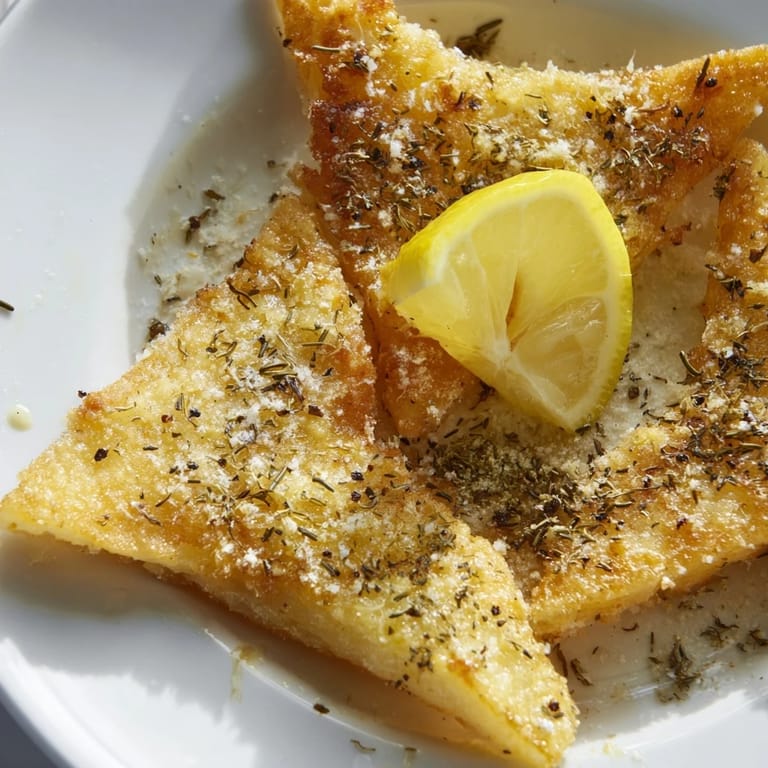
- Remove the slices and let them drain briefly on paper towels to shed excess oil without losing heat. Transfer to a serving plate, sprinkle with oregano and black pepper, and serve immediately with lemon wedges alongside.
 Save to Pins
 What stuck with me most wasn't how good this tasted, but how it became a ritual in my kitchen. Now whenever I'm cooking for someone special or just feeling like I want something small and perfect, saganaki is what I reach for.
Choosing Your Cheese
The cheese you choose sets the entire mood. Kasseri and kefalotyri are the traditional Greek choices with higher melting points, but halloumi works beautifully if that's what you have. I've used graviera too, and it gives you this subtle sweetness that's lovely. The key is finding a cheese firm enough to slice but creamy enough to melt in the center—soft cheeses will collapse into oil, hard ones won't soften in time.
The Timing Question
This dish lives or dies by timing. You need the cheese hot, the pan perfectly heated, and your lemon ready to squeeze the moment the cheese hits the plate. There's no holding this, no plating it ahead of time. It's theater in the best way—quick, immediate, and meant to be eaten right now while it's still crackling with heat.
Variations and Company
Saganaki is naturally a team player. Serve it as an appetizer on its own, or build a mezze platter around it with olives, bread, and dips. A crisp white wine like Assyrtiko drinks beautifully alongside it, or keep it simple with just water and lemon. Some kitchens serve it with crusty bread to catch the melted cheese—honestly, that's not a bad idea.
- For gluten-free eating, use gluten-free flour and it's completely seamless.
- Make extra because people will absolutely want seconds, and leftovers (if there are any) reheat surprisingly well in a hot pan.
- If you want to meal prep slightly, you can slice and flour the cheese an hour ahead, but fry it fresh right before serving.
 Save to Pins
 Saganaki is proof that the simplest dishes often bring the most joy. Make it when you want to feel like you've created something special in just ten minutes.
Frequently Asked Questions
- → What types of cheese work best for saganaki?
Firm Greek cheeses like kasseri, kefalotyri, halloumi, or graviera are ideal for frying due to their texture and melting properties.
- → How do I achieve the perfect crispy coating?
Lightly dust cheese slices with all-purpose or gluten-free flour before frying to get a golden, crispy crust without overpowering the cheese.
- → Can I prepare saganaki gluten-free?
Yes, by using gluten-free flour for coating, the dish remains suitable for gluten-free diets without altering the taste.
- → What is the recommended oil for frying saganaki?
Olive oil is preferred for its flavor and frying qualities, helping achieve a crisp, golden exterior.
- → How should saganaki be served to enhance its flavors?
Serve hot with fresh lemon wedges for squeezing and a sprinkle of dried oregano and freshly ground black pepper to complement the cheese.