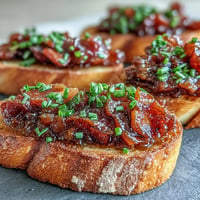
 Save to Pins
 I still remember the first time I assembled a proper French bistro platter at home. It was a Saturday afternoon in late autumn, and I'd just returned from a trip through Paris with a head full of memories of intimate bistro dinners. I wanted to recreate that feeling of effortless elegance, where simple ingredients arranged with intention felt like an act of love. That day, I realized that sometimes the most sophisticated meals require no cooking at all—just respect for quality ingredients and the patience to arrange them beautifully.
I made this for friends who were skeptical that you could serve something "fancy" without cooking. By the end of the evening, watching them carefully layer creamy Brie onto toasted bread with a touch of honey, I realized I'd given them something more valuable than a meal—a moment where quality ingredients and simplicity felt like luxury.
Ingredients
- Fresh French Baguettes (2 long): The foundation of everything. A truly fresh baguette from an artisan bakery makes all the difference—you want that crispy crust that shatters slightly when you bite, not something pre-packaged. Slice diagonally for that elegant, natural look.
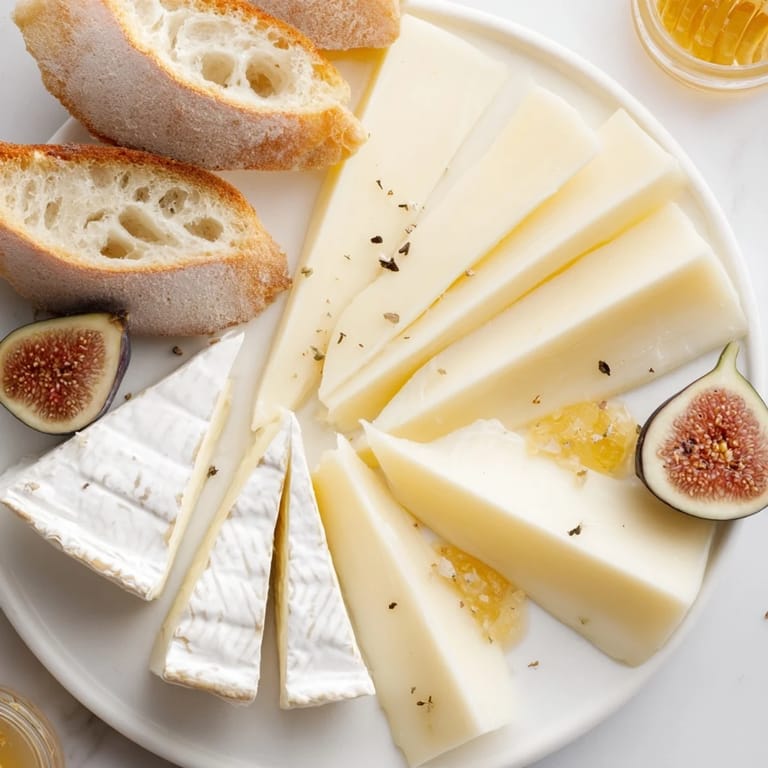
- Brie Cheese (150g, sliced and fanned): This is your creamy, luxurious anchor. The warmth of the bread will gently soften it further. Always slice it just before serving so it doesn't dry out.
- Comté Cheese (150g, sliced and fanned): A nutty, complex cheese that keeps things interesting. It's aged just enough to have depth without being overwhelming. The firm texture makes it easier to slice beautifully than softer cheeses.
- Chèvre—Goat Cheese (100g, sliced): This brings a tangy contrast and a subtle richness. It's the flavor that makes people pause and ask what it is.
- Fresh Figs or Grapes (12 pieces): The natural sweetness that bridges bread, cheese, and condiments. Figs feel more refined, but grapes work perfectly if that's what's in season.
- Unsalted Butter (50g, softened): Good butter spread on warm toast is a quiet joy. You're not just adding fat—you're adding a silky texture and delicate flavor that enhances everything.
- High-Quality Honey (2 tbsp): This is not the time for generic honey. Find something with character—floral, robust, something that tastes like where the bees actually worked.
- Whole Grain Dijon Mustard (1 tbsp): The subtle kick that makes your palate wake up. Those little mustard seeds provide texture and a gentle sharpness that plays beautifully against creamy cheese.
- Flaky Sea Salt: This matters more than you might think. Kosher salt is too harsh; flaky sea salt dissolves on your tongue and tastes like the ocean in the best way.
- Freshly Ground Black Pepper: Always freshly ground. Pre-ground pepper tastes like dust compared to what you get from cracking peppercorns yourself.
Tired of Takeout? 🥡
Get 10 meals you can make faster than delivery arrives. Seriously.
One email. No spam. Unsubscribe anytime.
Instructions
- Slice Your Baguette with Intention:
- Take a sharp bread knife and cut your baguette on a clean diagonal. Aim for slices about quarter-inch thick—thin enough to feel delicate, thick enough to hold toppings without breaking. As you slice, you'll hear that satisfying crunch of the crust. Don't rush this step; the slight angle of each slice is what catches the light and makes the whole platter look professionally arranged.
- Create a Canvas with Your Baguette Slices:
- Arrange the bread slices around the edge of your platter, leaving breathing room between each one. Think of it like placing puzzle pieces that don't actually touch. This negative space is what makes a minimalist arrangement feel sophisticated rather than sparse. Stand back and look at it—does it feel balanced?
- Fan Your Cheeses Like Opening a Book:
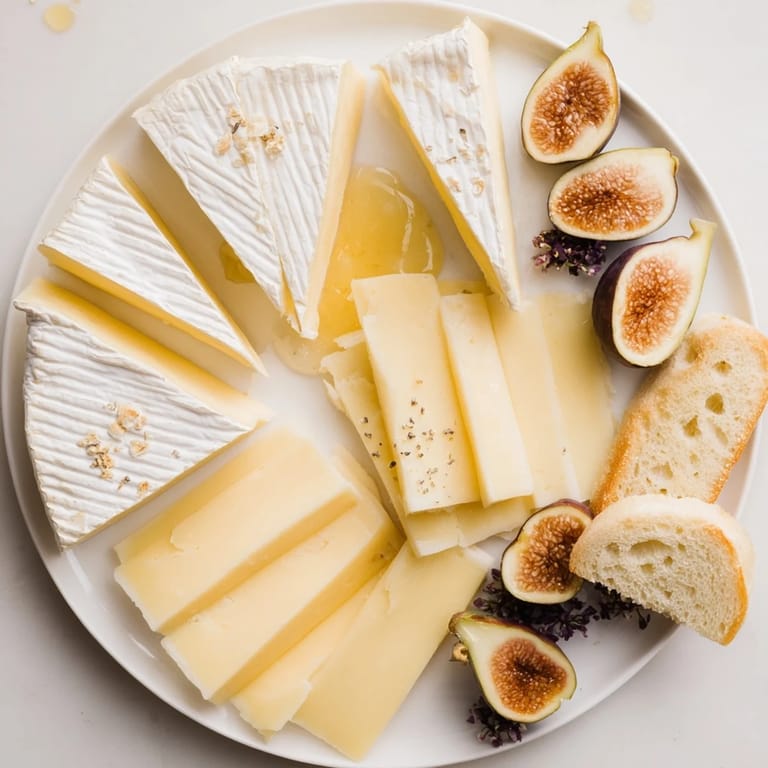
- Take your Brie slices and overlap them gently, creating a fan shape that suggests abundance without chaos. Do the same with your Comté in its own section. The sliced goat cheese goes into a small, neat cluster. Each cheese variety should be visually distinct, almost like they're introducing themselves on the platter. You're not just laying out food; you're telling a story about variety and quality.
- Scatter Your Fruit with a Sense of Play:
- Place small clusters of figs or grapes in the negative spaces—between bread and cheese, nestled into corners. Leave some space between clusters so they feel like intentional dots of color rather than a random scatter. The fruit is your palette cleanser and your sweet note; it deserves to be noticed.
- Add Your Flavor Anchors:
- Place small dollops or ramekins of softened butter, honey, and mustard on the platter. If you're using ramekins, nestle them thoughtfully. If you're placing them directly on the platter, create little artful puddles or swirls. These are the final notes that will transform each bite, so position them where guests will naturally reach for them.
- Finish with Salt and Pepper:
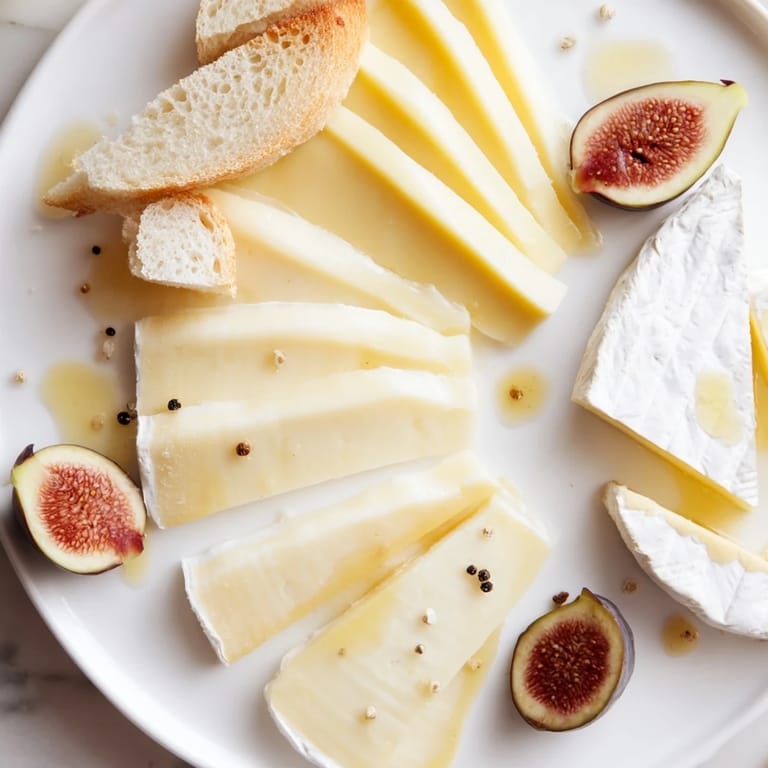
- Lightly sprinkle flaky sea salt over the cheese—not the bread, just the cheese. A few turns of fresh black pepper across the top. You're not seasoning heavily; you're adding whispers of flavor that hint at what's to come.
- Serve Immediately, With Confidence:
- Bring your platter to the table and watch people's faces. Encourage them to build their own bites—a piece of bread, a slice of Brie, a dab of honey, maybe a grape. This is food that invites participation, that makes people feel part of something special.
 Save to Pins
 The moment I knew this platter format had become part of my entertaining vocabulary was when my usually quiet mother-in-law became animated describing which cheese combination was her favorite, building bite after bite with the focus of someone engaged in something meaningful. That's when I understood—this isn't just food, it's an invitation to slow down and experience things thoughtfully together.
Creating Your Perfect Platter
The art of a minimalist platter is understanding that every element should earn its place. I spent years overloading charcuterie boards, thinking more was better, until I visited a small restaurant in Lyon where the entire appetizer was six items, perfectly arranged. It changed how I think about presentation. Here, each ingredient is a statement, not filler. The Brie is there for its creamy richness, the Comté for its complex nuttiness, the chèvre for its tangy elegance. The bread is the vehicle, the fruit the refresh, the condiments the final flourish. When you understand the role of each component, you naturally arrange them with intention rather than accident.
The Psychology of Simplicity
There's something psychological about a well-composed platter that goes beyond taste. When people approach it, they slow down. They make choices. They taste more deliberately. I've noticed that people actually enjoy food more when it's presented with care and restraint. A chaotic board can feel overwhelming, but a spare, elegant arrangement invites conversation and contemplation. It says, without words, that you've thought about their experience, that you respect the ingredients enough not to bury them in excess.
Making It Your Own
While this recipe is rooted in Parisian tradition, the beauty of a platter is that it's endlessly adaptable. In spring, I add sliced pears and fresh almonds. In summer, I've been known to include ripe peaches. In winter, I might add candied walnuts or dried apricots. The core formula stays the same—good bread, excellent cheese, fresh fruit, quality condiments—but the specific ingredients shift with what's available and what speaks to you. This flexibility is part of the freedom of the format.
- If fresh figs aren't in season, sliced pears or apples work beautifully and provide a similar refreshing quality
- A garnish of fresh thyme or rosemary adds visual elegance and subtle herbaceous notes that complement aged cheese
- Consider adding candied nuts or a small dish of marmalade for additional flavor dimensions
 Save to Pins
 A platter like this is a small act of generosity that asks very little of you but gives so much to those who gather around it. It's honest, elegant food that celebrates ingredients rather than technique.
Frequently Asked Questions
- → What cheeses pair well with French baguettes in this platter?
Soft Brie, nutty Comté, and tangy Chèvre cheeses offer a balance of textures and flavors that complement crusty baguettes perfectly.
- → Can I substitute figs with other fruits?
Yes, sliced pears or apples work well as alternatives, adding a fresh, sweet note to the platter.
- → How should I arrange the cheese for the best presentation?
Fan the slices in neat, overlapping rows separated by variety to create a visually appealing and inviting display.
- → What accompaniments enhance the platter’s flavors?
Softened butter, high-quality honey, and whole grain Dijon mustard add richness and a touch of sweetness that elevate the tasting experience.
- → Is this platter suitable for vegetarians?
Yes, the combination of vegetarian-friendly cheeses, fresh bread, and fruits makes it an excellent choice for vegetarian guests.