 Save to Pins
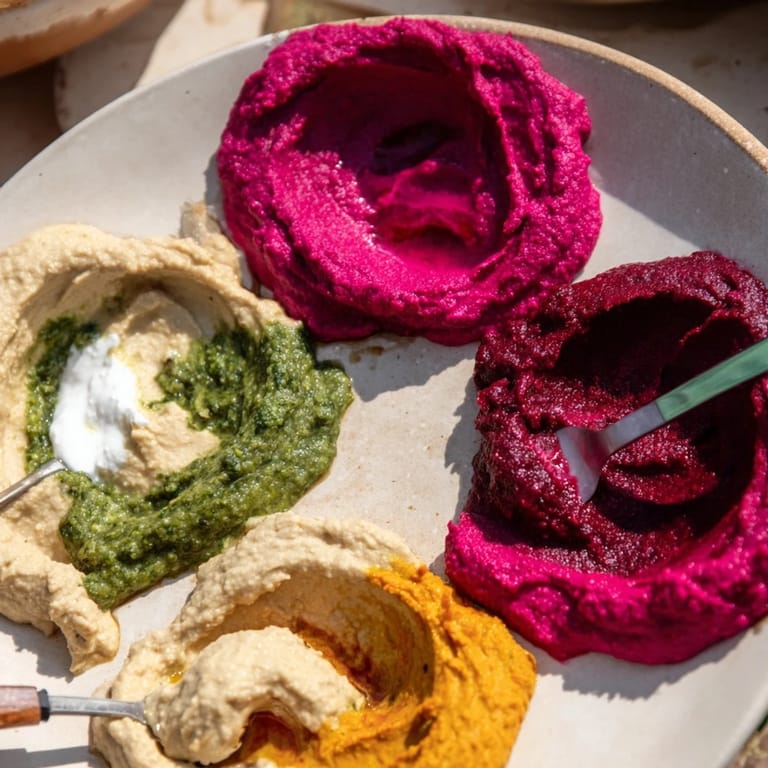
 The first time I set this marble swirl on a table, I watched people actually pause before diving in—not just reaching for food, but genuinely admiring it like edible art. That moment, when someone said it looked too pretty to eat, made me realize that the best appetizers aren't just about flavor; they're about creating an experience before anyone takes a single bite. I'd been making standard veggie boards for years, and then it hit me: what if I stopped arranging and started painting instead?
I remember bringing this to a potluck where someone else had made the usual chips-and-salsa situation. The marble swirl sat next to it, and honestly, people just gravitated toward the colors first. By the end of the night, mine was nearly empty while other platters still had plenty left. That taught me something valuable: presentation isn't superficial, it's an invitation.
Ingredients
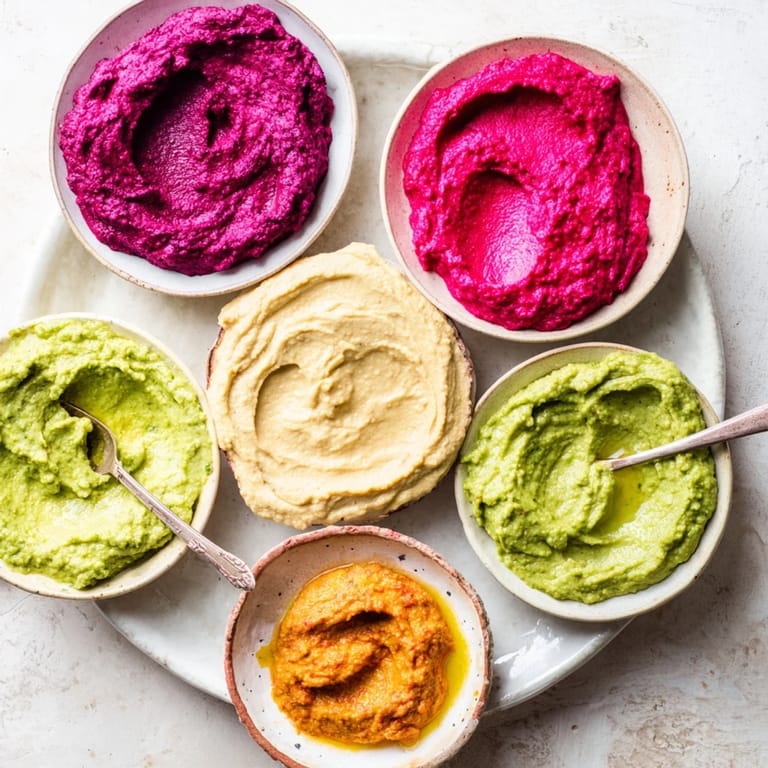
- Classic hummus: Your neutral base that lets other colors shine; use good quality or make your own if you have time.
- Beet hummus: The deep magenta that becomes the visual anchor; beets give both color and earthy sweetness.
- Spinach or basil pesto hummus: The vibrant green that keeps things looking fresh and alive.
- Roasted red pepper dip: The warm coral that fills gaps and bridges the color spectrum.
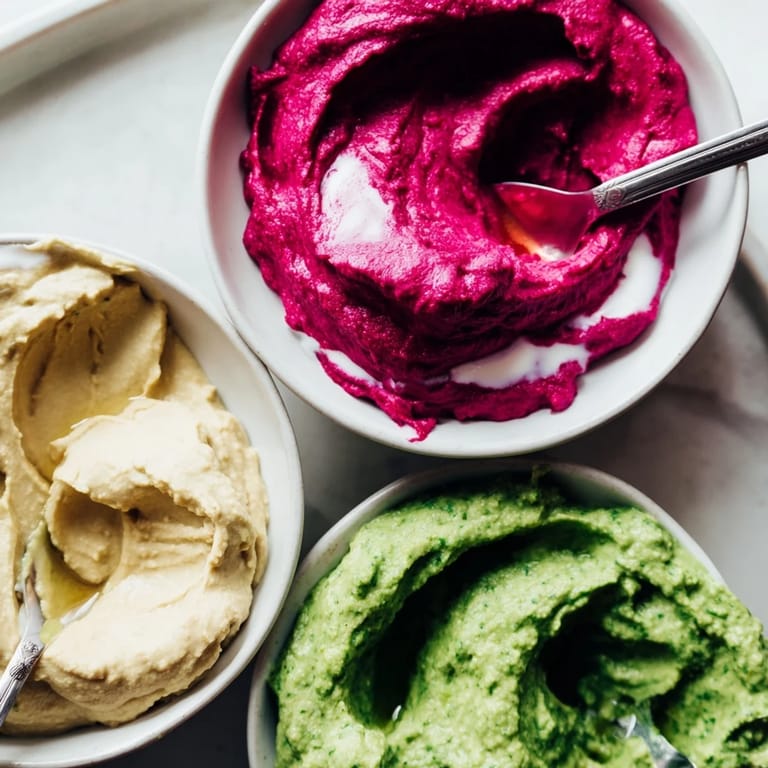
- Greek yogurt: Plain and unsweetened, this acts like edible marble veining when swirled through; it's the secret final touch.
- Black sesame rice crackers: Light and crispy, they echo the hummus base without competing.
- Beetroot crisps: Thin and delicate, they match the deepest dip color and add a textural surprise.
- Spinach or kale crackers: Herbaceous and earthy, they feel intentional rather than random.
- Classic water crackers: The neutral player that lets people focus on the dips.
Tired of Takeout? 🥡
Get 10 meals you can make faster than delivery arrives. Seriously.
One email. No spam. Unsubscribe anytime.
Instructions
- Dollop with purpose:
- Spoon each dip onto your platter in random spots, rotating which dip you use to avoid creating an obvious pattern. Think placement more than presentation—your hands will do the real work next.
- Swirl like you mean it:
- Using a butter knife or the back of a spoon, drag gently through the dips where they meet, creating lines that echo marble stone. Stop before it all blends into one muddy color; the distinct swirls are what make this sing.
- Marble the yogurt:
- Drizzle a few spoonfuls of plain Greek yogurt across the top and do one final gentle swirl, letting it create white veining like you're finishing a piece of art. This step takes thirty seconds but transforms the whole thing.
- Frame with crackers:
- Arrange crackers in color-coordinated clusters around the platter's perimeter—blacks with the base, reds with the pepper dip, greens with the pesto. This creates visual continuity and tells guests which cracker pairs with which dip.
- Serve with intention:
- Set out small spoons or spreaders so people can fully appreciate the layered colors as they scoop. The reveal of all those colors in one bite is half the appeal.
 Save to Pins
 The moment I understood this recipe's real power was when a friend with sensory sensitivities felt comfortable joining the appetizer crowd. She could see exactly what each dip was before tasting it, and that visibility made all the difference. Food doesn't have to be complicated to be thoughtful.
Why Colors Matter More Than You Think
I used to think appearance was purely cosmetic until I started noticing how colors actually affect appetite and mood. Vibrant greens, warm reds, and deep purples don't just look pretty; they signal variety and freshness to your brain before you taste anything. That's why mismatched, random colors feel chaotic, but coordinated swirls feel intentional and luxe.
Timing Is Everything
The best thing about this recipe is how much you can prep in advance without it looking like leftovers. I often dollop the dips onto the platter an hour before guests arrive, cover it loosely, and refrigerate. The final swirl and yogurt drizzle take maybe two minutes right before serving, so it looks freshly made even though you're barely stressed.
Customizing Your Marble
Once you understand the formula, you can swap dips based on what's in your fridge or what colors you're drawn to. I've made versions with turmeric hummus for golden tones, black bean dip for deeper richness, and even a white dip made from cashew cream to add another marble element. The structure stays the same; only the palette changes.
- Stick to dips that have similar consistency so they swirl cleanly without one overpowering the others.
- If you're making this vegan, coconut yogurt swirled at the end gives the same marble veining effect as Greek yogurt.
- Taste your dips before assembling—if one is much saltier or bolder than others, it'll dominate the flavor experience.
 Save to Pins
 This marble swirl is proof that food doesn't need to be fussy or time-consuming to feel special. It's become one of my favorite things to bring anywhere because it works every single time.
Frequently Asked Questions
- → What ingredients create the marble swirl effect?
The effect is made by gently swirling dollops of classic hummus, beet hummus, spinach or basil pesto hummus, roasted red pepper dip, and plain Greek yogurt.
- → How do I prevent overmixing the dips?
Use a butter knife or spoon to gently swirl the dips just enough to create marbled lines without fully blending the colors.
- → Can this dip display be made vegan?
Yes, replacing Greek yogurt with coconut yogurt offers a vegan alternative while maintaining the swirl effect.
- → What crackers pair well with the dips?
Black sesame rice crackers, beetroot crisps, spinach or kale crackers, and classic water crackers provide colorful, complementary textures.
- → How should this dish be served?
Arrange dips and crackers on a large platter with small spoons or spreaders for easy serving and visual appeal.
- → Are there allergen considerations to keep in mind?
The dips contain sesame and dairy; some crackers include gluten. Check packaging for nuts or soy allergens.