 Save to Pins
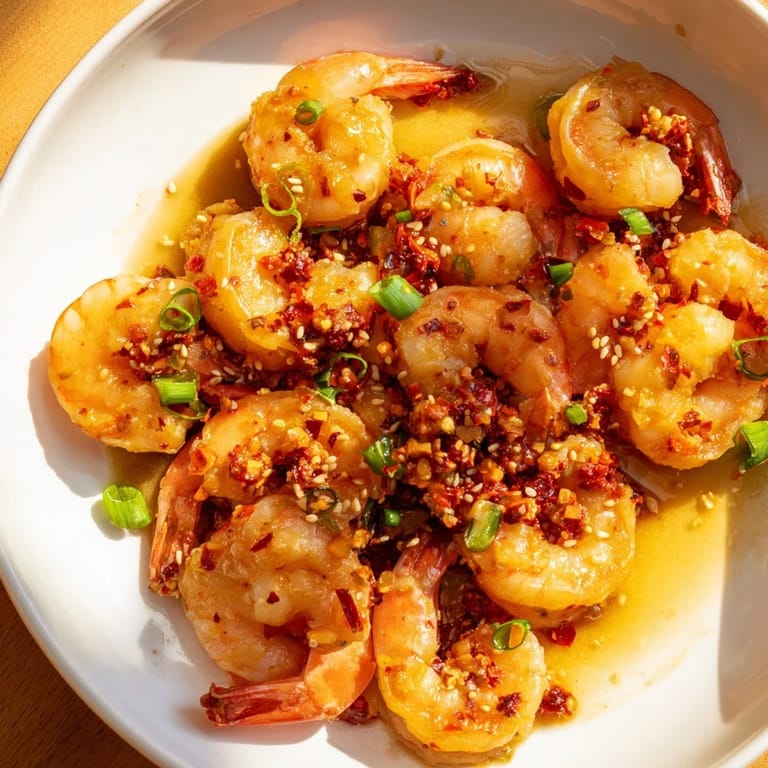
 The first time I made Korean garlic butter shrimp, I wasn't trying to impress anyone—I was just hungry and had exactly 20 minutes before my neighbor stopped by with wine. I melted butter in a hot pan, watched it foam around minced garlic, and something clicked. The gochugaru hit the heat and suddenly my entire kitchen smelled like a Korean restaurant I'd been craving for weeks. That night, we ended up sitting at my kitchen counter with a bottle of Sauvignon Blanc, pushing shrimp around the pan with our forks like we were at a proper dinner party.
I made this for my partner on a random Tuesday when we both came home exhausted, and somehow it became our go-to when we need to feel like we've cooked something real in 15 minutes. Now whenever we have company over and I'm scrambling for something impressive that doesn't require recipes printed out or half my spice cabinet, this is what comes to mind. It's become the kind of dish that tastes like home but feels fancy enough to serve to people.
Ingredients
- Large shrimp, peeled and deveined (500 g): Buy them this way if you can—it cuts your actual cooking time in half, and pat them completely dry before they hit the pan or they'll steam instead of sear.
- Unsalted butter (3 tbsp): The foundation of everything here; salted butter will throw off the whole balance, trust me on this.
- Minced garlic (4 cloves): Fresh, never jarred—you'll taste the difference the moment it hits the heat and fills your kitchen with that sharp, alive smell.
- Gochugaru, Korean chili flakes (1 tbsp): This is where the heat and soul come from; it's less sharp than cayenne and has this deep, slightly sweet undertone that makes the sauce addictive.
- Soy sauce (1 tbsp): Use low-sodium if you're watching salt, and grab gluten-free if that matters to you—the flavor stays the same.
- Honey (1 tbsp): A small amount that balances the heat and soy without making it sweet; it just rounds everything out.
- Sesame oil (1 tsp): Just a teaspoon, because it's potent and perfumy—too much and it drowns everything else out.
- Scallions, chopped (2 tbsp): The fresh finish that keeps it from feeling heavy; slice them just before serving so they stay bright.
- Toasted sesame seeds (1 tsp): The crunch and nuttiness that makes people think you know what you're doing.
- Lemon wedges (optional): A squeeze at the end cuts through the richness and wakes everything up.
Tired of Takeout? 🥡
Get 10 meals you can make faster than delivery arrives. Seriously.
One email. No spam. Unsubscribe anytime.
Instructions
- Dry your shrimp completely:
- Grab paper towels and pat each one down like you mean it; any moisture on the surface will keep them from getting that golden sear you want.
- Get the butter foaming:
- In a large skillet over medium heat, let the butter melt and just start to foam—this is when the magic is happening, not when it's silent and still.
- Bloom your garlic:
- Add minced garlic and stir constantly for about a minute until it smells incredible but is still pale; once it starts turning golden, you've gone too far and it'll taste bitter.
- Build the sauce:
- Stir in the gochugaru, soy sauce, honey, and sesame oil, and let them cook together for just 30 seconds—you're not cooking them, you're letting them get to know each other.
- Sear the shrimp:
- Add the shrimp in a single layer and don't move them for 2-3 minutes; you want them to get color and texture on one side before flipping, then another 2-3 minutes on the other side until they're pink and opaque all the way through.
- Coat everything:
- Toss the shrimp to make sure every piece is swimming in sauce, then take the pan off heat immediately because overcooked shrimp are rubbery and sad.
- Plate and finish:
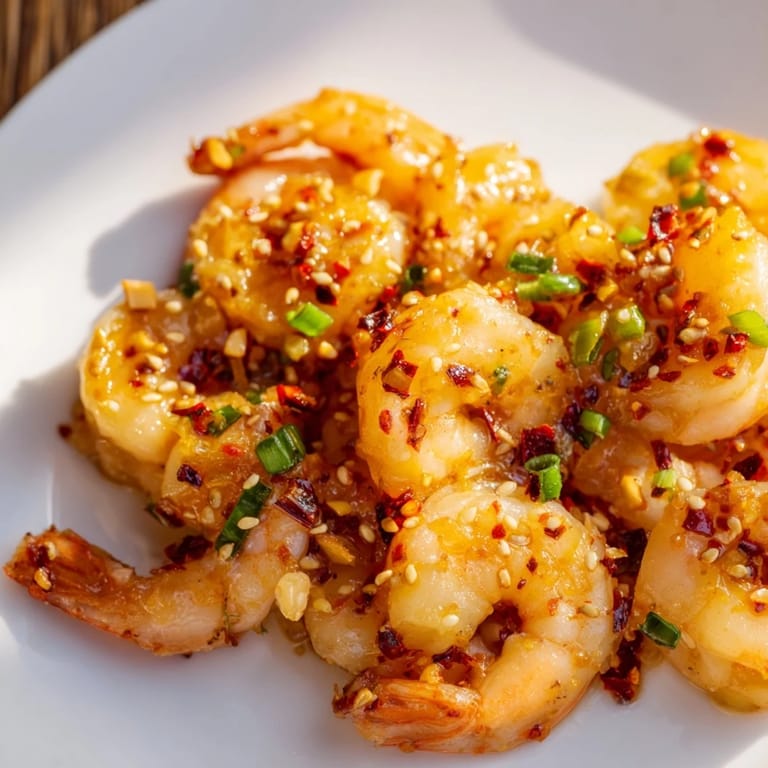
- Transfer to a serving platter and hit it with scallions and sesame seeds while everything is still steaming.
 Save to Pins
 There was a moment when my friend looked up from her plate and just said, 'This tastes like Seoul in a pan,' and I realized this dish had crossed from being something I made to being something that meant something. It's become the recipe I text to people when they ask what to cook for a date, or what to make when they want to feel competent in the kitchen without spending two hours there.
Why This Works as a Quick Weeknight Dinner
Everything happens in the same pan, in the same 8 minutes, with zero fussy timing or complicated layering. You can go from pantry to table in the time it takes to brew a cup of tea. The shrimp cooks so fast that there's almost no room for error—just pay attention for those few minutes and you'll have something that tastes like you've been cooking all day.
Flavor Balance and Why Every Ingredient Matters
This sauce walks a tightrope between heat, richness, umami, and brightness, and every single ingredient is there for a reason. The butter carries the flavors and makes everything luxurious; the garlic gives you that sharp, fragrant backbone; the gochugaru brings heat that isn't just spicy but actually flavorful. The soy sauce adds depth and saltiness, honey rounds out any edges, and sesame oil brings this woody, nutty finish. Even the lemon, if you use it, does something quiet but important—it keeps the richness from getting heavy and reminds you to breathe.
Flexibility and What You Can Change
This recipe is more resilient than it looks. If you want more heat, add extra gochugaru or a pinch of red pepper flakes without overthinking it. Brown sugar swaps in for honey perfectly if that's what you have. Serve it over steamed rice, with noodles, as an appetizer on its own, or on top of a salad—it's genuinely flexible. You can use dairy-free butter if you need to, and make sure your soy sauce is gluten-free if that matters to your table.
- White wine pairing tip: Crisp white wines like Sauvignon Blanc or a light Pinot Grigio cut right through the richness and complement the spice beautifully.
- Make it vegetarian by swapping shrimp for thick slices of firm tofu or mushrooms—they'll sear the same way and soak up that sauce.
- Everything comes together in one pan, which means minimal cleanup and maximum satisfaction.
 Save to Pins
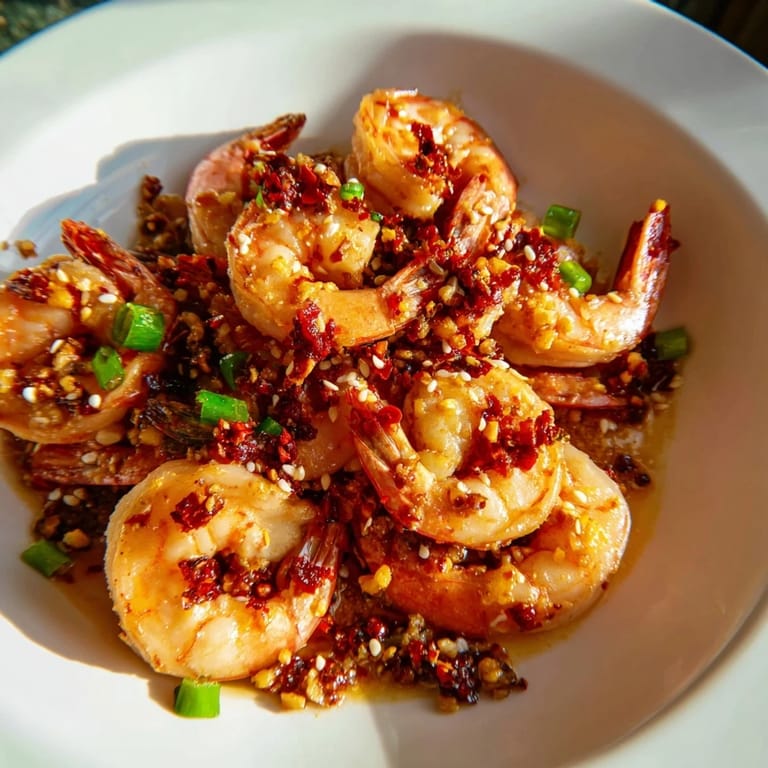
 This is the kind of recipe that reminds you why you love cooking in the first place—it's fast, it's impressive, and it actually tastes like intention. Make it for someone you want to impress, or make it for yourself on a Tuesday night when you need to feel like you've got your life together.
Frequently Asked Questions
- → What type of shrimp works best?
Use large, peeled, and deveined shrimp for the best texture and ease of cooking.
- → How spicy is the dish?
The heat depends on the amount of Korean chili flakes (gochugaru) used; adjust to your preference.
- → Can I substitute the butter?
Unsalted butter provides richness, but a dairy-free alternative can be used for lactose intolerance.
- → What sides complement this dish?
Steamed rice, noodles, or crisp white wine enhance the bold, spicy flavors beautifully.
- → How to achieve the best garlic flavor?
Cook minced garlic in butter until fragrant but not browned to maintain its bright aroma.