 Save to Pins
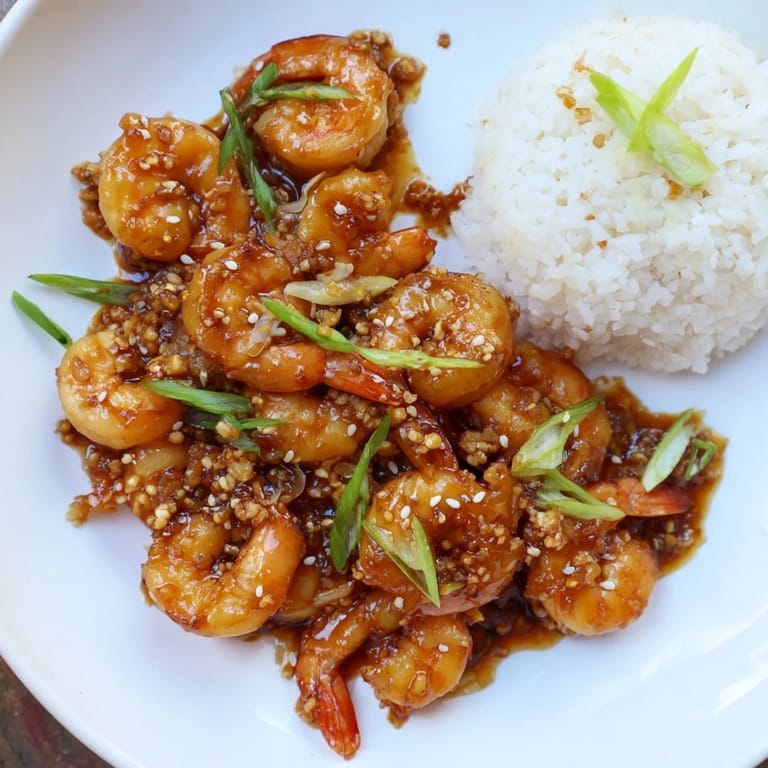
 I was rushing through a Tuesday night when I realized I had shrimp thawing on the counter and absolutely no plan. My friend called asking what I was making for dinner, and I found myself describing something I hadn't even started yet—honey garlic shrimp that came together in my head faster than I could say yes to her coming over. Twenty minutes later, we were twirling noodles and laughing about how the kitchen smelled like caramelized garlic and promise.
I'll never forget my mom tasting this at my place and asking for the recipe within the first bite, which honestly felt like the ultimate compliment since she's spent forty years in kitchens. She made it the next night and texted me a photo of her plated version with sesame seeds arranged like she was serving royalty, and somehow that moment turned a weeknight dinner into something worth remembering.
Ingredients
- Large shrimp (1 lb): The star of the show—buy them as fresh as you can find, and don't skip the peeling and deveining even though it feels tedious, because the time you save here pays off in the pan.
- Honey (1/3 cup): This isn't just sweetness; it's the glue that makes the sauce cling to every curve of the shrimp and caramelize slightly at the edges.
- Low-sodium soy sauce (1/4 cup): The salt and umami anchor that keeps the dish from tasting like candy, so don't swap it for regular soy or you'll oversalt the whole thing.
- Garlic (4 cloves, minced): Mince it fine and don't be afraid of it—this dish is meant to smell like a garlic lover's dream, and raw minced garlic blooms beautifully when it hits the heat.
- Fresh ginger (1 tbsp, grated): Use a microplane if you have one because it releases the oils and gives you that bright, almost spicy kick that lifts everything.
- Rice vinegar (1 tbsp, optional): A splash of this is the secret handshake—it cuts through the sweetness and adds a subtle tang that makes people ask what's different about your version.
- Crushed red pepper flakes (1/2 tsp, optional): If you want heat, don't measure this with restraint; taste as you go and adjust because everyone's tolerance is different.
- Vegetable or sesame oil (1 tbsp): Sesame oil if you want to lean into the flavor; vegetable oil if you want the shrimp and sauce to be the only voices in the room.
- Green onions and sesame seeds (for garnish): These aren't afterthoughts—they add texture and visual interest that makes the dish feel intentional and finished.
- Steamed rice or cooked noodles: Whatever you choose, make sure it's ready before you start cooking because shrimp waits for no one.
Tired of Takeout? 🥡
Get 10 meals you can make faster than delivery arrives. Seriously.
One email. No spam. Unsubscribe anytime.
Instructions
- Make the sauce first, then step away:
- Whisk together honey, soy sauce, minced garlic, ginger, rice vinegar, and red pepper flakes in a bowl and let it sit for a moment—this isn't about heat, it's about giving the flavors a chance to know each other before they meet the shrimp.
- Dry your shrimp like you mean it:
- Pat them with paper towels until they're barely damp; wet shrimp will steam instead of sear, and you want that gorgeous golden crust.
- Get your oil screaming hot:
- Sear the shrimp with confidence:
- Drop them into the hot skillet in a single layer and don't touch them for a full minute—that pink blush creeping up the sides means the sear is happening, and moving them around disrupts the magic.
- Flip, count to thirty, then pour the sauce:
- Once they're pink on both sides, pour in that golden sauce and let it bubble hard for two to three minutes; you'll see the sauce reduce and coat the shrimp like a glaze, and you'll know it's done when it clings and shines.
- Finish with color and crunch:
- Kill the heat and scatter green onions and sesame seeds across the top while everything is still steaming—the warmth will soften the onions just enough to keep them fresh.
 Save to Pins
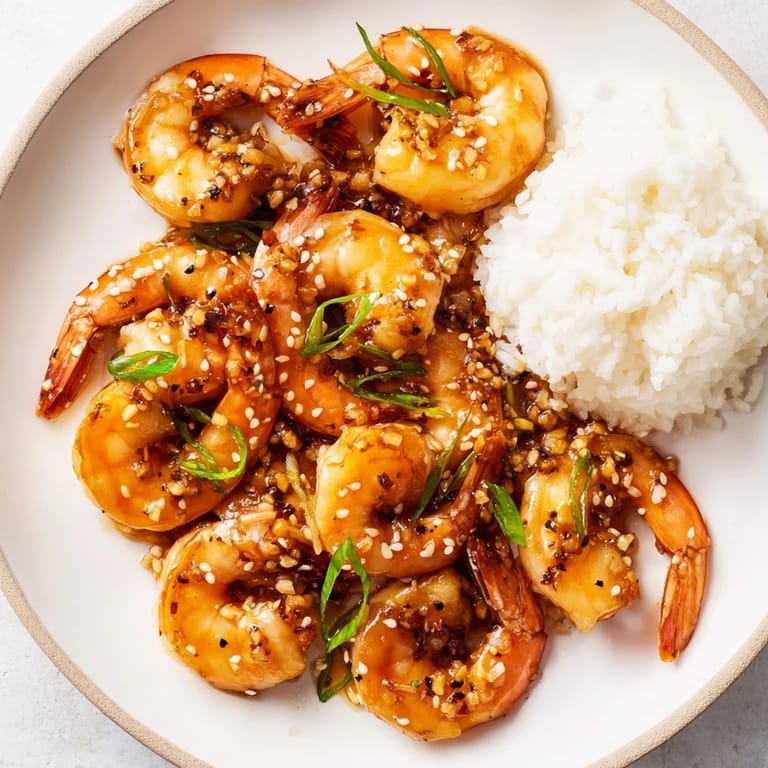
 There's something magical about the moment when a weeknight dinner stops feeling like an obligation and starts feeling like a celebration, and this dish has a way of doing that. The shrimp glazes and glistens, the kitchen smells impossibly good, and somehow you've created something restaurant-worthy in the time it takes to pour a drink.
Why This Dish Works on Busy Nights
The beauty of this recipe lives in its speed and its honesty—there's nowhere to hide because you're working with so few ingredients that each one has to pull its weight. Everything happens in real time in one pan, which means less cleanup and more time enjoying the food with whoever you're feeding. The sauce comes together while your shrimp are resting, so there's this natural rhythm to the whole thing that feels less like cooking and more like a small, delicious performance.
The Sauce Is Everything
I spent years making versions of this dish until I realized that the sauce isn't a topping—it's the foundation that decides whether the whole thing sings or falls flat. The honey caramelizes at the edges and catches on the shrimp, creating this almost burnt-sugar richness that makes people lean in for another bite. The garlic and ginger aren't just flavoring; they're the personality that makes it feel homemade and thoughtful instead of like something you grabbed from a bottle.
Serve It Your Way
Rice is traditional and lets the sauce be the star, but noodles soak it up in a way that feels almost luxurious, and some nights I do both because I'm greedy. The green onions and sesame seeds aren't decoration—they're textural counterpoints that keep the richness from feeling heavy. I've served this at casual weeknight dinners and dressy occasions, and it works beautifully for both because it looks elegant but tastes like comfort.
- If you have snap peas or bell peppers lingering in the crisper, throw them in when you pour the sauce—they'll soften just enough to be tender but still have presence.
- Make the sauce in the morning and keep it in the fridge, then your actual cooking time drops to about seven minutes flat.
- Leftover shrimp and sauce reheated gently over noodles the next day becomes an instant lunch that feels like you planned ahead.
 Save to Pins
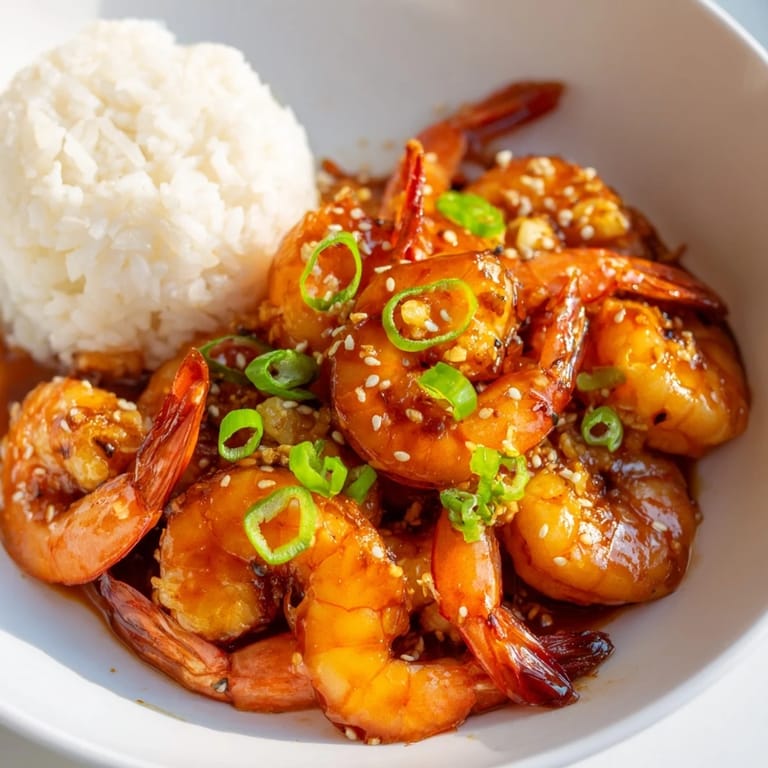
 This dish has a way of becoming a regular in your rotation without you realizing it, and then one day you look up and realize you've made it dozens of times. That's when you know it's earned its place at your table.
Frequently Asked Questions
- → Can I use frozen shrimp for this dish?
Yes, thaw frozen shrimp completely and pat dry before cooking to ensure even searing and proper sauce adherence.
- → What can I substitute for soy sauce?
Low-sodium tamari works well as a gluten-free alternative without compromising flavor.
- → How do I prevent shrimp from overcooking?
Cook shrimp in batches and watch for the pink color with opaque flesh to avoid toughness.
- → Can I add vegetables to this dish?
Sautéed snap peas or thinly sliced bell peppers complement the glaze and add texture.
- → Is sesame oil necessary for the flavor?
Sesame oil adds a nutty aroma but can be replaced with vegetable oil if unavailable.
- → What side dishes pair well with this shrimp preparation?
Steamed rice, cooked noodles, or a light Asian-inspired salad enhance the meal’s balance.