 Save to Pins
 There's something about the earthy warmth of hojicha that makes you want to slow down. I discovered it on a quiet afternoon when a friend handed me a steaming cup at a tiny Japanese café, and the nutty aroma hit me before I even took a sip. That moment of stillness, wrapped in the gentle heat of the mug, stayed with me long after I left. Now I make this vanilla-touched version at home whenever I need to pause, and it's become my answer to those mornings when regular coffee feels too loud.
I made this for my partner during one of those rare mornings when we both stayed in our pajamas longer than usual, and they asked for a second cup before I'd finished cleaning up. That's when I knew it wasn't just a drink; it was permission to be still together.
Ingredients
- Hojicha powder: This roasted green tea is what gives the latte its signature toasty, slightly sweet character that feels more like comfort than caffeine.
- Plant milk (oat, soy, or almond): Oat and soy create the creamiest texture, but any unsweetened plant milk works; the quality matters more than the type.
- Pure vanilla extract: A small amount lifts the earthiness without taking over, adding a gentle floral note that makes it feel special.
- Boiling water: Hot water helps the powder dissolve evenly and creates that initial frothy layer that catches the steam's warmth.
- Maple syrup or sweetener (optional): Use what feels right to you; I usually skip it and let the hojicha's natural sweetness shine through.
Tired of Takeout? 🥡
Get 10 meals you can make faster than delivery arrives. Seriously.
One email. No spam. Unsubscribe anytime.
Instructions
- Whisk the hojicha awake:
- Pour boiling water over the hojicha powder in your mug and whisk steadily until it dissolves completely and tiny bubbles form on top. You'll notice how quickly the powder transforms from granules into something smooth and inviting.
- Warm and steam your milk:
- Heat the plant milk gently in a small saucepan or microwave until it's steaming but not boiling; if you have a frother, this is where it becomes your secret weapon for extra creaminess. Listen for the soft hiss, not a rolling bubble.
- Add vanilla and sweetness:
- Stir the vanilla extract and maple syrup (if using) into the warm milk, letting the heat release the vanilla's fragrance. This small step makes all the difference in how the flavors bloom together.
- Bring them together:
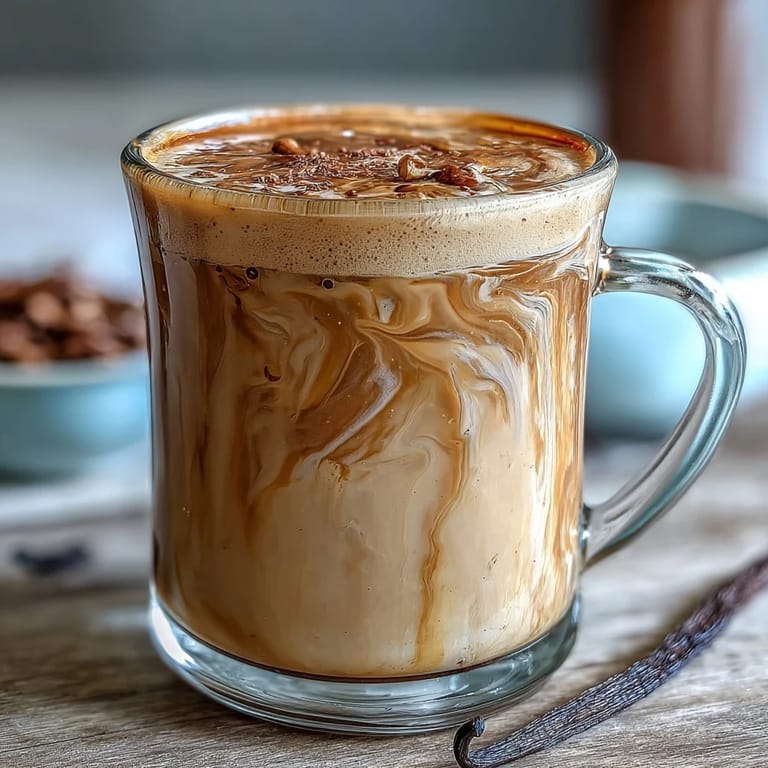
- Pour the milk mixture over your hojicha base slowly, stirring gently to combine. Watch as the earthy tea and creamy milk swirl into a warm, unified color.
- Serve right away:
- Drink it while it's still steaming and the layers of flavor are at their most vibrant. These few minutes matter.
 Save to Pins
 There was an afternoon when a friend who usually drinks black coffee tried this and described it as tasting like "what a forest smells like, but drinkable," and I realized that's exactly what I'd been trying to capture. It's the kind of drink that teaches you something quiet about yourself.
The Art of the Froth
If you own a milk frother or even a basic handheld one, use it here. The texture of frothed plant milk sitting on top of the hojicha creates two distinct moments as you sip, and that separation is part of the magic. I learned this by accident when someone lent me their frother, and I've never gone back to a simple stir.
Finding Your Sweetness Level
Hojicha already carries a gentle sweetness from the roasting process, and vanilla adds another layer, so you might not need any syrup at all. The first time I made this, I added maple syrup out of habit, then realized I preferred the cleaner taste. Start without sweetener and add it only if the earthiness feels too loud for your mood that day.
Plant Milk Personalities
Not all plant milks behave the same way in heat, and I've learned this through small failures and adjustments. Oat milk froths beautifully and adds a subtle creaminess that complements hojicha, while soy milk creates a denser texture and deeper richness. Almond milk is lighter and lets the tea's flavor shine without distraction, but it won't froth as generously.
- Oat milk wins for pure comfort and that café-style texture everyone recognizes.
- Soy milk is your choice when you want the drink to feel more substantial and filling.
- Always use unsweetened versions so you control the sweetness yourself.
 Save to Pins
 This latte taught me that sometimes the most restorative moments are the quiet ones, not the elaborate ones. I hope it does the same for you.
Frequently Asked Questions
- → What does hojicha taste like?
Hojicha has a distinctive roasted, nutty flavor with caramel-like undertones. The roasting process removes bitterness, resulting in a smooth, earthy tea that's naturally lower in caffeine than other green varieties.
- → Which plant milk works best for this latte?
Oat and soy milk produce the creamiest texture and foam well for latte-style drinks. Almond milk also works but may be slightly thinner. Choose unsweetened varieties to control the sweetness level yourself.
- → Can I make this iced?
Yes, prepare the hojicha concentrate as directed, then pour over ice and add cold plant milk. You may want to reduce the water slightly to prevent dilution, or use frozen milk cubes instead of regular ice.
- → Is hojicha naturally sweet?
Hojicha has natural caramel notes from roasting but isn't inherently sweet. The vanilla extract and optional maple syrup add sweetness, though many enjoy the roasted flavor unsweetened with just the creamy plant milk.
- → How much caffeine does hojicha contain?
Hojicha typically contains about 50% less caffeine than regular green tea due to the high-temperature roasting process. One serving usually has roughly 20-30mg of caffeine, making it suitable for afternoon or evening consumption.
- → Can I substitute vanilla extract?
You can use vanilla bean paste for a more intense vanilla flavor, or scrape half a vanilla bean pod into the warm milk. Alternatively, a drop of almond extract complements the roasted notes beautifully if you prefer a different flavor profile.