 Save to Pins
 On a quiet Tokyo morning last spring, I watched a barista pour hojicha tea into a ceramic cup with the kind of focused calm that made everything slow down. The steam rose in gentle spirals, and when the milk joined it, something clicked—not just the flavors finding balance, but how the warmth of the cup felt necessary in my hands. That moment taught me that a cortado wasn't about complexity; it was about letting two simple things become something quietly perfect together.
My friend Sarah arrived at my kitchen one rainy afternoon completely stressed about work, and I made her this without asking. She took one sip and just... paused. By the time she finished, her shoulders had dropped, and she asked me how I'd learned to make something so calming. It struck me then that this cortado wasn't just a drink; it was permission to stop for five minutes and actually taste something.
Ingredients
- Hojicha loose leaf tea or tea bag: This roasted Japanese green tea is the heart of the drink, bringing a warm, toasted flavor that pairs beautifully with milk without getting bitter or overpowering.
- Water just below boiling: Boiling water will scald the delicate hojicha leaves, so aim for that sweet spot around 90°C where the tea blooms without getting harsh.
- Whole milk or plant-based milk: The milk becomes your partner in softening the tea's edges; whole milk creates the silkiest mouthfeel, though oat milk froths beautifully if you're going dairy-free.
Tired of Takeout? 🥡
Get 10 meals you can make faster than delivery arrives. Seriously.
One email. No spam. Unsubscribe anytime.
Instructions
- Heat your water mindfully:
- Bring water to just below a boil—you want it steaming and ready but not aggressively bubbling. If you have a thermometer, aim for 90°C; if not, let it cool for about 30 seconds after boiling.
- Steep the hojicha gently:
- Pour the hot water over your tea leaves or bag and let it sit for 2 to 3 minutes, watching the color deepen into a warm amber. The aroma alone will start shifting your mood.
- Steam or warm your milk:
- If you have a steamer wand, use it to heat the milk until it's hot and silky with a thin layer of foam. No steamer? Gently heat the milk in a saucepan and whisk it until small bubbles form and it's frothy.
- Combine with intention:
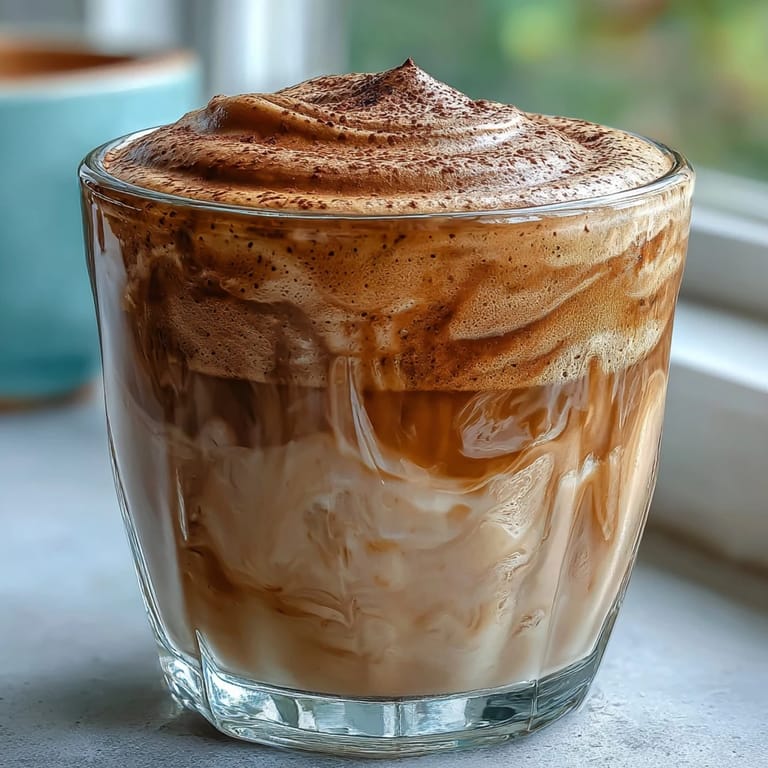
- Pour the strained hojicha into your cup, then add the milk in roughly equal parts, letting the warmth blend together. Hold back the foam with a spoon as you pour, then crown the top with that delicate froth.
- Serve right away:
- This is best enjoyed immediately while the steam is still rising and the flavors are at their most alive.
 Save to Pins
 There's something almost meditative about the moment when the milk and tea first meet in the cup, creating that perfect moment of swirling color before they become one. It reminded me why people slow down for coffee and tea rituals—not for the caffeine, but for that tiny pocket of peace you carve out of a busy day.
Choosing Your Hojicha
Not all hojicha is created equal, and I learned this the expensive way. Cheaper tea bags sometimes deliver a hollow, slightly burnt flavor, while quality loose leaf hojicha brings depth and a subtle nuttiness that transforms the entire drink. Invest in a small bag from a specialty tea shop if you can—it makes a noticeable difference and the bag will last you through many cortados.
The Milk Question
The milk you choose genuinely shapes the personality of this drink. Whole milk creates richness and a natural sweetness that lets the hojicha shine without any additions. Oat milk froths like a dream and adds its own gentle creaminess. Soy milk is bold and cuts through with its own flavor. There's no wrong choice—only the milk that suits your mood that morning.
Small Moments That Matter
I started playing with garnishes and discovered that a whisper of hojicha powder on top not only looks beautiful but adds an extra layer of aroma the moment the cup reaches your nose. A pinch of cinnamon works too if you want something warmer and more autumnal. These tiny touches turn a simple drink into something you actually pause to appreciate.
- If you don't have a milk steamer, a handheld milk frother costs almost nothing and changes everything about making this drink.
- Honey or simple syrup can sweeten the cortado without overpowering the delicate hojicha notes—add it to the hot tea so it dissolves completely.
- Make this with almond or macadamia milk if you want something lighter, though the richness of whole or oat milk is honestly where it sings.
 Save to Pins
 This cortado taught me that sometimes the most meaningful drinks are the simplest ones, needing nothing but patience and two things that want to work together. Making it for someone, or for yourself on a morning when you need it most, is its own kind of ritual.
Frequently Asked Questions
- → What makes hojicha different from other Japanese teas?
Hojicha is distinctively roasted over charcoal, which reduces caffeine content and creates nutty, caramel-like flavors with lower tannins. This roasting process gives it a reddish-brown color and milder taste compared to other green teas.
- → Why is the water temperature lower than boiling?
Water just below boiling (90°C/195°F) prevents scalding the roasted tea leaves, preserving the delicate aromatic compounds and ensuring a smooth flavor without bitterness.
- → Can I make this without a milk steamer?
Yes, gently heat milk on the stovetop and whisk vigorously until frothy, or use a handheld frother. The key is creating silky texture with small bubbles.
- → What plant-based milks work best?
Oat milk creates the creamiest texture and neutral flavor, while almond milk adds a subtle nuttiness that complements hojicha. Soy milk also froths well and provides protein.
- → How do I adjust the sweetness level?
Add honey, maple syrup, or simple syrup to taste while the drink is hot. Start with 1 teaspoon and adjust. Hojicha's natural sweetness means you may need less than expected.