 Save to Pins
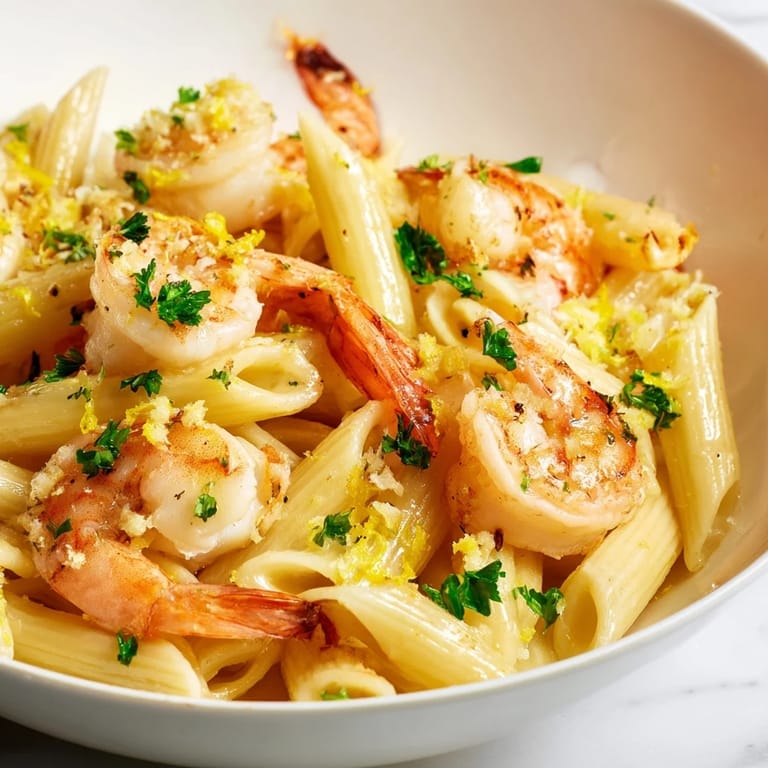
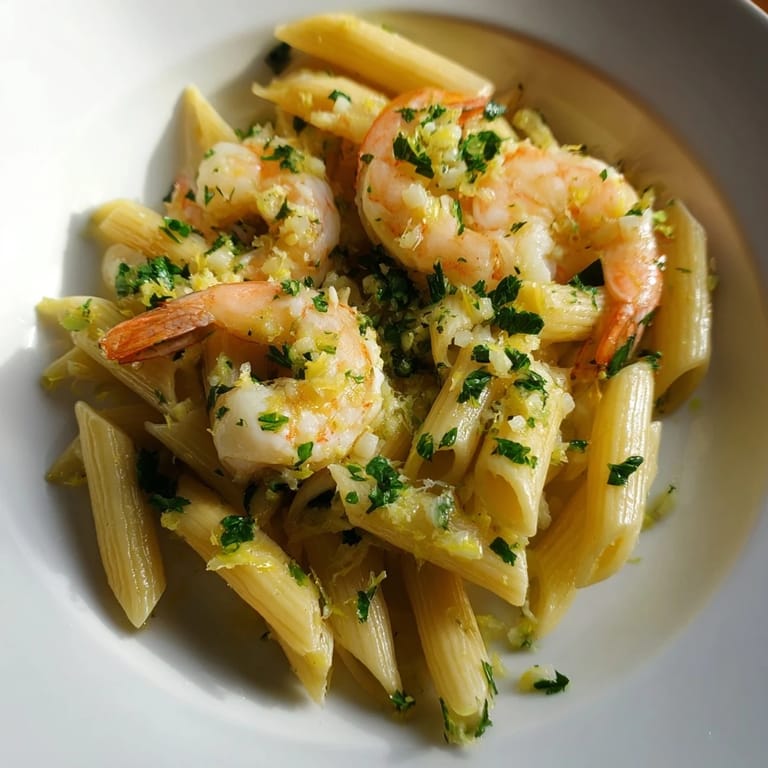
 There's a particular magic that happens when you're cooking for someone who's had a rough day. My friend texted that she was exhausted from back-to-back meetings, so I threw together this garlic shrimp penne without much thought—just butter, shrimp, and whatever was in my pantry. Twenty minutes later, the smell of garlic and lemon had filled my kitchen, and when she arrived, the first thing she did was close her eyes and breathe it in. That's when I realized this dish wasn't just quick; it was the kind of meal that feels like a small act of care.
I've made this dish on random Tuesday nights when the pantry felt bare and on Sunday afternoons when I wanted something light but satisfying. Once, I cooked it for my neighbor who'd just moved in, and she showed up at my door the next week asking for the recipe. That simple act of sharing food created a friendship that's lasted years. It's remarkable how a plate of buttery pasta and pink shrimp can do that.
Ingredients
- Large shrimp (400 g / 14 oz): Pat them completely dry before cooking—moisture is the enemy of a good sear, and dry shrimp brown beautifully instead of steaming.
- Penne pasta (350 g / 12 oz): Cook it just until al dente; it'll continue softening slightly when you toss it in the hot butter.
- Garlic (4 cloves), finely minced: Mince it yourself rather than using pre-minced, and add it at the last moment so it stays fragrant and doesn't turn bitter.
- Shallot (1 small), finely chopped: This adds a subtle sweetness that rounds out the aggressive garlic—trust me on this one.
- Fresh parsley (2 tbsp), chopped: Add it at the very end to keep it bright and alive in the dish.
- Lemon zest and juice (1 lemon): This is where the dish gets its personality; don't skip it or use bottled juice.
- Unsalted butter (60 g / 1/4 cup): Good butter makes all the difference—it should taste like cream, not chemicals.
- Parmesan cheese (2 tbsp grated, plus more for serving): Grate it fresh if you can; the pre-grated stuff has anti-caking agents that make it less silky.
- Extra-virgin olive oil (2 tbsp): Use this for the raw elements and in the initial cooking.
- Salt and black pepper, plus red pepper flakes: The flakes are optional, but they add a whisper of heat that makes everything taste more interesting.
Tired of Takeout? 🥡
Get 10 meals you can make faster than delivery arrives. Seriously.
One email. No spam. Unsubscribe anytime.
Instructions
- Get your pasta water ready:
- Bring a large pot of generously salted water to a rolling boil. The water should taste like the sea—this is your only opportunity to season the pasta itself. Cook the penne according to package directions, but start checking a minute or two early.
- Prepare the shrimp:
- Pat your shrimp dry with paper towels as if you're getting them ready for a photo shoot. Season them lightly with salt and pepper while you're heating your skillet.
- Sear the shrimp:
- Heat a large skillet over medium-high heat and add half the butter and olive oil. Once it's shimmering and smells toasty, lay the shrimp in a single layer without crowding them. Resist the urge to poke them; let them sit for about a minute, then flip and cook for another minute until they've turned from translucent gray to opaque pink.
- Build the sauce base:
- Remove the shrimp to a clean plate. In the same skillet, melt the remaining butter with the rest of the oil, then add your chopped shallot and let it soften for a minute. The moment you can smell it, add the minced garlic and cook for just 30 seconds—you want it fragrant, not golden.
- Add brightness:
- Stir in the lemon zest, lemon juice, and red pepper flakes if you're using them. The acidity will cut through the richness of the butter.
- Bring it all together:
- Drain your pasta, reserving that precious starchy water. Add the hot pasta to the skillet and toss it continuously, coating every piece in the garlic butter. If it looks dry, add the pasta water a splash at a time until you have a light, glossy sauce that clings to the noodles rather than pooling at the bottom.
- Finish with finesse:
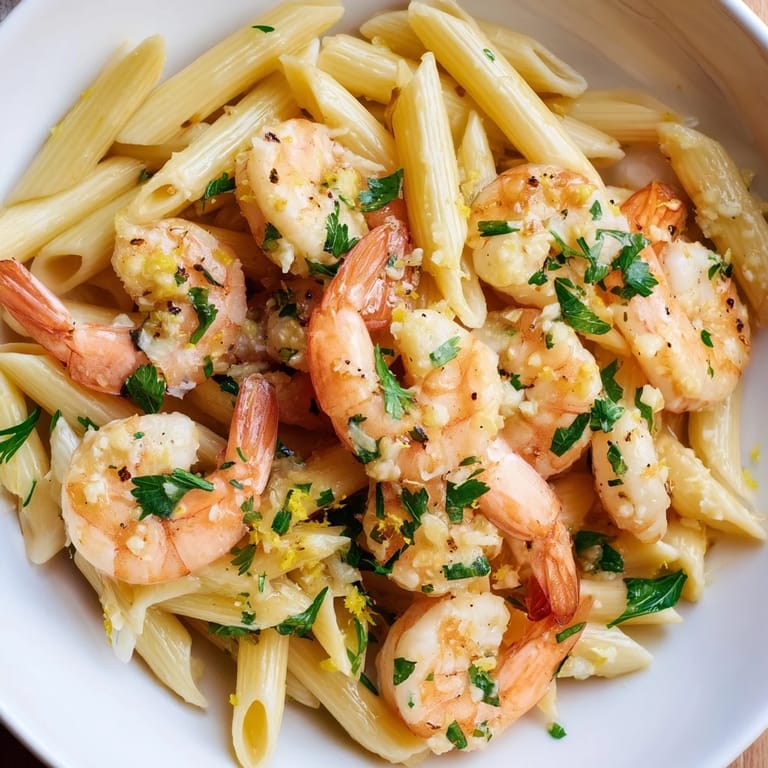
- Return the shrimp to the skillet, scatter the fresh parsley over everything, and sprinkle in the Parmesan. Give it one final, gentle toss and taste for seasoning. Add more salt and pepper if it needs it.
 Save to Pins
 I remember cooking this for myself on a quiet evening when I needed something that felt both comforting and elegant. There's something about the simplicity of it—just a handful of ingredients working in harmony—that made me feel capable and calm in the kitchen. That's the real gift of this dish: it doesn't demand much, but it delivers a moment of genuine pleasure.
Why Shrimp and Garlic Are the Perfect Pair
Garlic and shrimp have a natural affinity that goes beyond flavor. Shrimp's delicate sweetness gets amplified by the savory depth of garlic, while the shrimp keeps the garlic from feeling heavy. The butter acts as a conductor, carrying both flavors throughout the dish. I've learned over time that the quality of the garlic matters as much as the quality of the shrimp—a fresh bulb will smell bright and sweet when minced, while an older one becomes acrid and harsh.
The Role of Acidity
Lemon zest and juice are what transform this from a simple buttered pasta into something that feels alive on your palate. The acidity cuts through the richness of the butter and cheese, preventing the dish from feeling heavy despite all that fat. I once forgot the lemon juice and the dish tasted flat and one-dimensional—that mistake taught me that this isn't an optional garnish. The zest is particularly important because it carries aromatic oils that juice alone can't deliver.
Making It Your Own
This recipe is forgiving in the best way, allowing you to bend it without breaking it. I've added a splash of dry white wine in place of some pasta water, stirred in a touch of cream for richness on special occasions, or tossed in fresh cherry tomatoes for color and brightness. The skeleton of the dish—shrimp, garlic, butter, pasta—stays true, but the variations let you match your mood.
- Try adding a pinch of nutmeg to the butter for a subtle warmth.
- Finish with toasted breadcrumbs for texture if you want something with more presence.
- Swap in linguine or spaghetti if that's what you have, though penne's ridges do catch the sauce beautifully.
 Save to Pins
 This is the kind of meal that asks nothing of you but gives everything back. Serve it warm, share it freely, and let the simplicity be enough.
Frequently Asked Questions
- → How do you prevent shrimp from overcooking?
Cook shrimp just until they turn pink and opaque, about 1–2 minutes per side, to keep them tender and juicy.
- → Can I use other pasta types?
Yes, linguine or spaghetti can substitute penne, adapting the texture and mouthfeel without affecting overall flavor.
- → What enhances the sauce’s creaminess?
A splash of cream added with reserved pasta water enriches the sauce without overpowering the garlic and lemon notes.
- → How can I adjust the spice level?
Incorporate red pepper flakes sparingly to add gentle heat, or omit them for a milder taste.
- → What wine pairs well with this dish?
Crisp white wines like Sauvignon Blanc or Pinot Grigio complement the buttery shrimp and fresh lemon flavors wonderfully.