 Save to Pins
 There was this Tuesday afternoon when I had spent way too long staring at my lunch options and realized I'd somehow filled my fridge with vegetables that were about to turn. I grabbed some soba noodles from the pantry and thought, why not make something that tastes intentional instead of like I'm cleaning out the crisper drawer? That first batch of chilled noodle cups was chaos in the best way—I didn't measure anything, just tossed cold noodles with sesame oil and whatever I had, and somehow it turned into something I actually wanted to eat again and again.
I made a batch of these for my friend who'd just started a new job and was stressed about meal prepping, and watching her face when she opened the first container—that little moment of realizing she had something delicious waiting instead of sad desk food—that's when I knew this was more than just a noodle cup. Now she makes them every Sunday, and apparently her coworkers keep asking what smells so good.
Ingredients
- Soba or rice noodles (200g): Soba has this nutty, almost earthy thing going on that plain wheat noodles just can't do, but if you can't find it or need gluten-free, rice noodles work beautifully and actually stay less sticky when cold.
- Soy sauce (3 tbsp): Go low-sodium if you can because the sauce concentrates as everything sits together, and you don't want it to taste like you accidentally added salt instead of seasoning.
- Toasted sesame oil (2 tbsp): This is non-negotiable—the regular stuff tastes like nothing, but toasted sesame oil is where all the personality comes from, that warm, nutty depth that makes people ask what's in it.
- Rice vinegar (1 tbsp): Just a touch keeps everything bright and stops the sauce from feeling heavy, like it's waking your taste buds up.
- Honey or maple syrup (1 tsp): A small hit of sweetness rounds out the salt and acid, balancing everything so nothing feels one-note.
- Chili garlic sauce (1–2 tsp): This is where you control the heat, so taste as you go and remember that spice gets more intense after a day in the fridge.
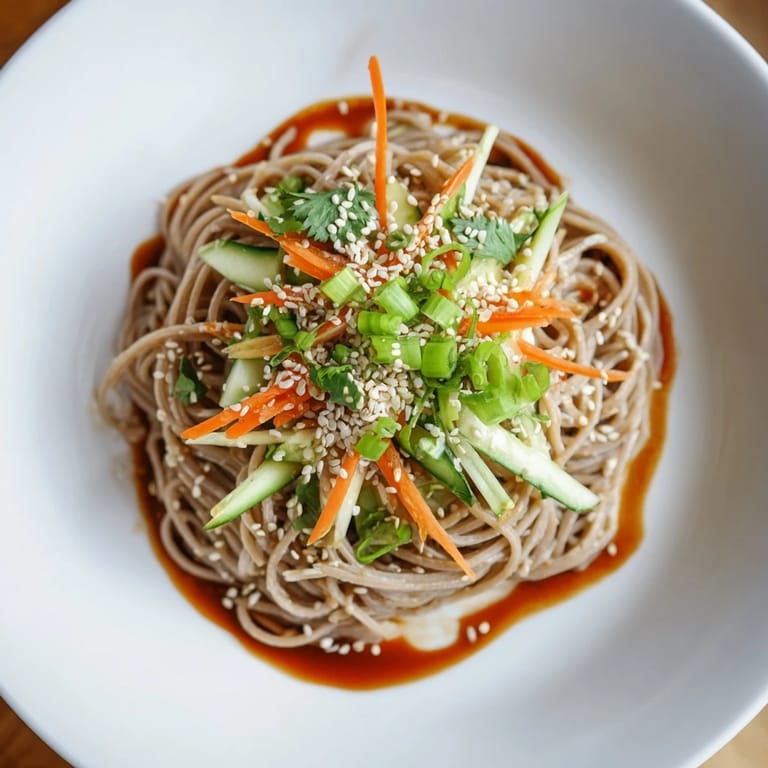
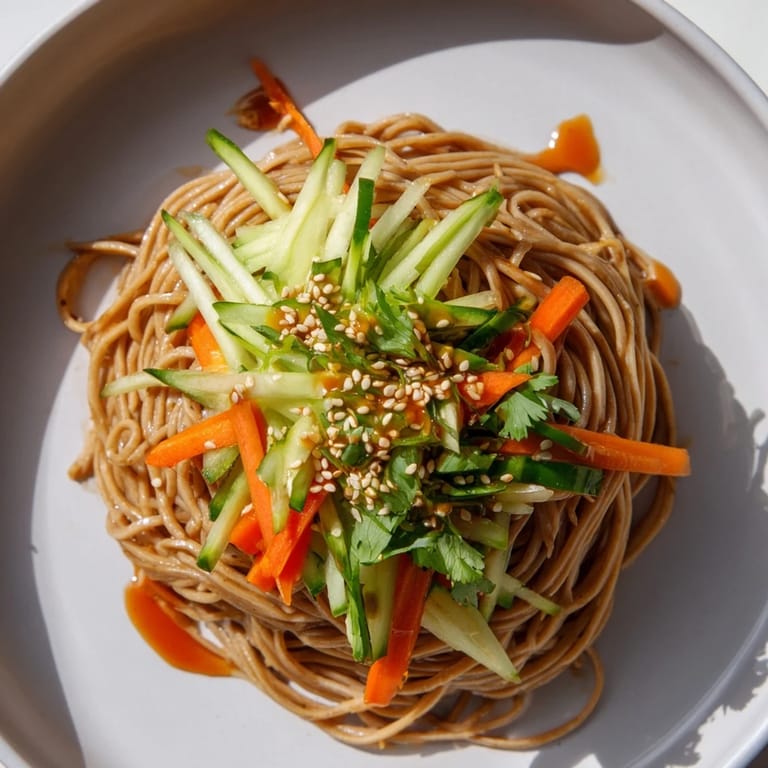
- Cucumber, julienned (1 cup): The crunch is essential—it's the thing that keeps this from feeling like sad noodles, so don't skip it and don't cut it too far in advance or it weeps.
- Carrots, julienned (2 medium): They add a whisper of natural sweetness and stay crisp longer than you'd think if you keep them separate from the sauce until eating.
- Green onions, thinly sliced (2): A bright, oniony sharpness that cuts through the richness of the sesame oil.
- Toasted sesame seeds (2 tbsp): Sprinkle these right before eating or they'll go soft, and trust me, that matters more than you think.
- Fresh cilantro, chopped (1 tbsp, optional): If you're not a cilantro person, skip it completely—there's no middle ground with cilantro.
Tired of Takeout? 🥡
Get 10 meals you can make faster than delivery arrives. Seriously.
One email. No spam. Unsubscribe anytime.
Instructions
- Cook and chill the noodles:
- Get your water boiling and cook those noodles exactly to package directions—not a minute more or they'll be mushy. As soon they're done, dump them into a colander and run cold water over them, really working your fingers through to stop the cooking and wash off that starch, then let them sit until they're properly cold.
- Make the sauce:
- In a small bowl, whisk soy sauce, sesame oil, rice vinegar, honey, and chili garlic sauce until it looks glossy and unified. This is the moment to taste it and adjust because you can't fix it once it hits the noodles.
- Assemble the cups:
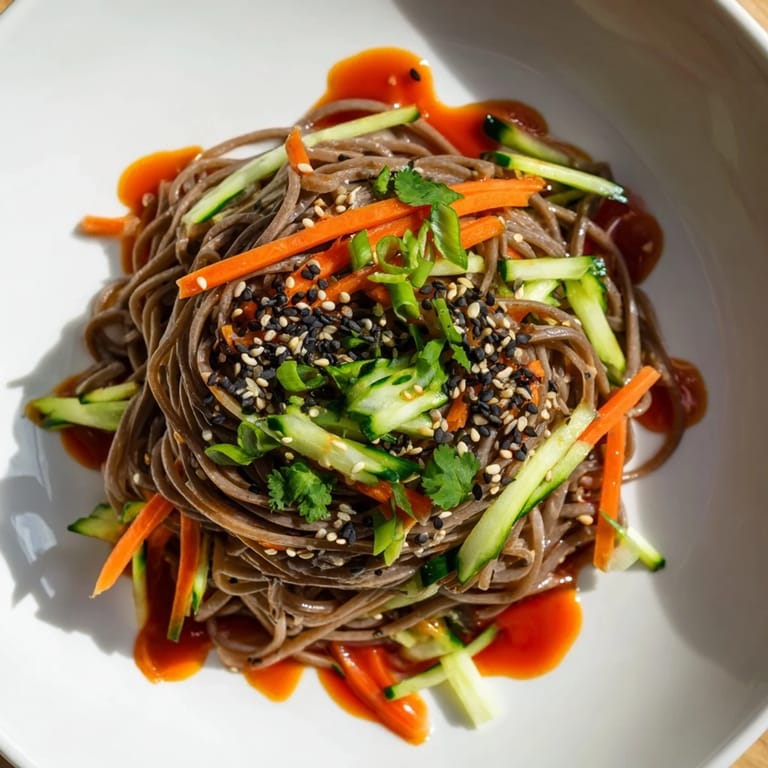
- Divide cold noodles evenly among four containers, then layer your vegetables on top—this keeps them from getting soggy before you eat. The structure matters here.
- Dress and finish:
- Drizzle sauce over each cup and give it a gentle toss so everything is coated but not mushed up. Top with sesame seeds and cilantro right before you seal the containers, so the seeds stay crispy and the cilantro doesn't turn dark.
 Save to Pins
 Last month my roommate grabbed one of these without asking and then sat down across from me and we just ate in comfortable silence for like ten minutes, no phones, no talking, just two people enjoying something cold and bright on a hot day. That's when I realized these aren't just meal prep—they're the kind of food that makes ordinary Tuesday lunches feel a little bit special.
Making It Your Own
The beauty of these noodle cups is that they're a canvas for whatever you have or whatever you're craving. I've done them with shredded rotisserie chicken, with crispy tofu that I pan-fried in a little sesame oil until the edges were golden, and once with edamame that I forgot to thaw so I added it frozen and it somehow worked. The sauce stays the same, but the vegetables and proteins are totally up to you—just keep the ratio of sauce to noodles the same so nothing's dry or swimming.
Keeping Them Fresh
These keep for three days, which I know because I've tested it thoroughly and by day four they start to taste tired. The trick is keeping everything mostly separate until you eat—the noodles and sauce can hang out together, but the vegetables and the toasted toppings need their own space. It's like packing a suitcase where everything gets its own compartment so nothing gets crushed.
Quick Weeknight Variations
On nights when you want something different but don't want to actually think, just swap the vegetables—scallions for green onions, bell peppers for cucumber, or add mint if you're feeling fancy. Sometimes I add a spoonful of peanut butter to the sauce if I'm in a peanut noodle mood, and it completely transforms the flavor without changing the structure of what you're doing.
- Add cubed tofu, shredded chicken, or edamame for extra protein that keeps the whole thing feeling like a complete meal.
- Use tamari and gluten-free noodles if you're avoiding gluten, and the sauce tastes just as good, honestly better because tamari has this deeper flavor.
- Make the sauce in a tiny jar with a lid so you can shake it up again right before eating—sometimes it separates slightly after sitting.
 Save to Pins
 These cups have become my answer to the question I used to dread on Sunday—what am I going to eat all week? Now I actually look forward to lunch because it tastes like something I made on purpose, not something I threw together in a panic.
Frequently Asked Questions
- → What type of noodles work best?
Dried soba noodles or rice noodles both chill well and hold the sauce flavors nicely.
- → How do I keep the noodles from sticking together?
Rinsing cooked noodles under cold water until completely chilled prevents clumping and keeps them light.
- → Can I adjust the spice level?
Yes, modify the chili garlic sauce amount to suit your preferred level of heat.
- → What additions enhance the dish’s texture?
Julienned cucumber, carrots, and green onions add a refreshing crunch and bright flavors.
- → How long can these noodle cups be stored?
They keep fresh in the refrigerator for up to three days when properly sealed.