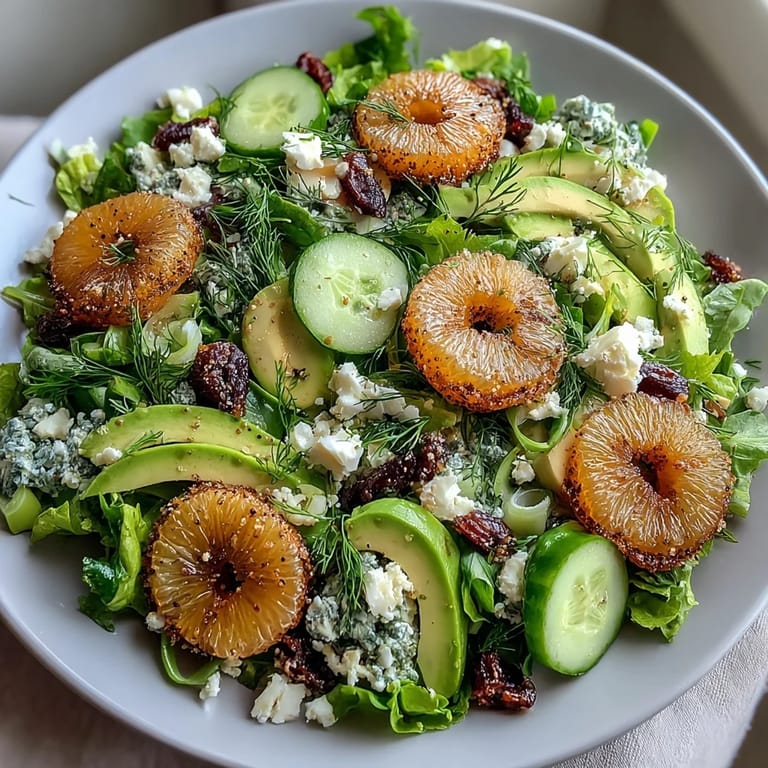
 Save to Pins
 There's something about assembling a salad that feels less like cooking and more like painting—especially when you've got a pile of radishes that are practically glowing pink on your cutting board. I stumbled onto this particular combination during an impromptu spring dinner party when a friend arrived with a bunch of the most beautiful radishes I'd ever seen, and I realized I had nothing planned beyond a block of feta and some greens wilting in my crisper drawer. That evening turned into one of those meals where the simplicity became the whole point, and everyone kept coming back for more of that impossibly bright, lemony dressing.
I'll never forget watching my grandmother's face that first time I served her this salad at a family gathering—she's not one for restraint, and she went back for thirds, then asked for the recipe written down. She told me it reminded her of lunches she'd eaten in Paris decades ago, simple and elegant, and that comment stuck with me. Now whenever I make it, I think about how the best meals are often the ones where you don't overthink things, just let good ingredients do their job.
Ingredients
- Mixed baby greens: Use whatever combination speaks to you—arugula brings a peppery bite, spinach adds earthiness, and soft lettuces create that tender base that just melts on your tongue.
- Radishes: Slice them thin enough that you can almost see through them; this is where the magic happens because thin radishes become crispy jewels instead of tough little disks.
- Cucumber: A small one prevents the salad from becoming watery, and English cucumbers (the long, thin ones) are worth seeking out because they have fewer seeds.
- Scallions: The white and light green parts give you a gentle onion flavor without overwhelming the delicate greens.
- Extra virgin olive oil: Don't skimp here—this is one of three ingredients that make or break the vinaigrette, so use something you'd actually taste on its own.
- Fresh lemon juice: Bottled juice won't give you that same brightness; one lemon takes thirty seconds to juice and makes all the difference.
- Dijon mustard: Just a teaspoon acts as an emulsifier, helping the oil and lemon juice play nicely together instead of separating into sulky layers.
- Honey: It rounds out the acidity and adds a whisper of sweetness that makes people ask what your secret ingredient is.
- Garlic: One small clove, minced fine, adds complexity without turning the dressing into garlic soup.
- Fresh dill and chives: These herbs are what make the salad feel intentional and spring-like; dried versions just won't translate the same freshness.
- Feta cheese: Crumbled chunks rather than shredded, because they create pockets of salty richness instead of distributing evenly into oblivion.
Tired of Takeout? 🥡
Get 10 meals you can make faster than delivery arrives. Seriously.
One email. No spam. Unsubscribe anytime.
Instructions
- Build your vinaigrette:
- Combine the olive oil, lemon juice, mustard, honey, minced garlic, salt, and pepper in a small bowl or jar and whisk or shake until it emulsifies into something creamy and cohesive. The mustard is your secret weapon here—it helps bind everything together so the dressing actually clings to the greens instead of pooling at the bottom of your bowl.
- Arrange the foundation:
- Spread your mixed greens across a large platter or into a salad bowl—don't pile them into a tower; let them have room to breathe. This matters because it looks beautiful and makes tossing later actually possible without creating a mangled mess.
- Layer your vegetables:
- Scatter the thinly sliced radishes, cucumber, and scallions evenly over the greens, making sure each bite has a chance to include all three. Think of it like composing the salad rather than just dumping ingredients into a bowl.
- Dress with intention:
- Drizzle the lemon vinaigrette over the salad just before you're ready to serve, using about three-quarters of it and saving the rest for people who want extra. If you dress it too early, the greens will wilt and lose that crisp crunch you worked for.
- Toss gently:
- Use your hands or two spoons to toss the salad until everything is coated, moving slowly so you don't bruise the tender greens. This is a meditation, not a wrestling match.
- Finish and serve:
- Sprinkle the fresh dill, chives, and feta cheese over the top right before bringing it to the table, and eat it immediately while everything is still cold and crisp. This salad doesn't improve with sitting around.
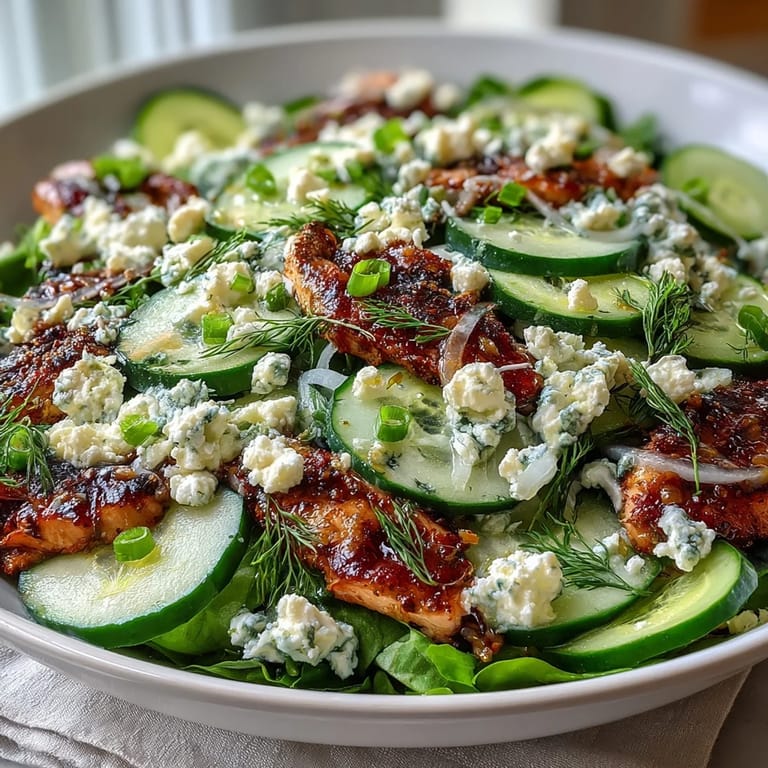 Save to Pins
 There was this one afternoon when I made this salad for my neighbor who'd just moved in, and we ended up sitting on her front steps eating it straight from the bowl, talking until the light started turning golden. She said it tasted like someone cared about her, and that's when I realized how food works—it's never really about the ingredients alone; it's about the attention you pay to them.
Why This Salad Feels Different
Most spring salads rely on sweetness or heaviness to feel satisfying, but this one gets its soul from contrast—the peppery snap of arugula against creamy feta, the crisp radish against tender greens, and that lemon vinaigrette cutting through everything like sunshine. The radishes are what elevate this from sad desk lunch to something people actually want to eat, and the dill gives it a herbaceous whisper that makes it taste more sophisticated than it has any right to be given how simple it is to make.
Timing and Temperature Matter
Keep everything cold right up until the moment you serve—chilled greens, chilled vegetables, even chill your serving bowl if you have time. I learned this the hard way during a particularly warm May dinner party when my salad wilted within minutes, and now I treat it like a timed operation. The salad is at its absolute best in the first fifteen minutes after assembly, so don't make it ahead of time thinking it'll hold.
Making It Your Own
This salad has a beautiful skeleton that welcomes variations depending on what's in your kitchen or what you're craving. I've made it with snap peas in early spring, strawberry slices when they arrive in late spring, and even crispy chickpeas for added protein on nights when I wanted something more substantial. The core vinaigrette stays the same, which means you can play around with the vegetables without losing what makes the salad work.
- Toast some walnuts or almonds in a dry pan for three minutes and scatter them over the top for crunch and depth.
- Swap the feta for crumbled goat cheese if you want something tangier, or omit it entirely if you're cooking for someone dairy-free.
- Add a small handful of edible flowers like pansies or calendula petals if you're feeling fancy and want to impress people at the table.
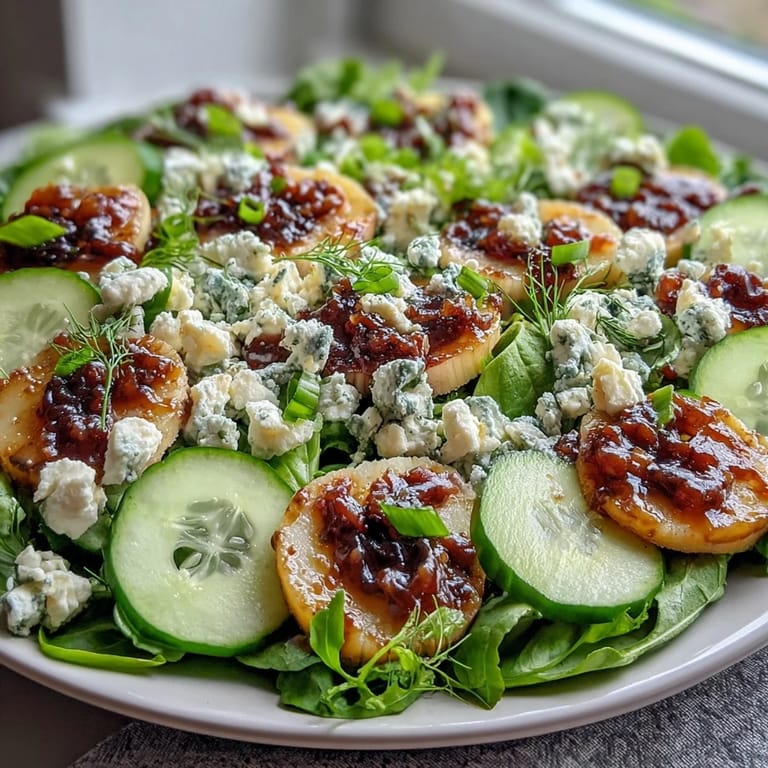 Save to Pins
 This salad has become my go-to when I want to feel like I've cooked something thoughtful without spending hours in the kitchen. Serve it with something grilled and chilled rosé, and you'll understand why my friends keep asking for this recipe.
Frequently Asked Questions
- → What makes the lemon vinaigrette flavorful?
The vinaigrette combines olive oil, fresh lemon juice, Dijon mustard, honey, garlic, salt, and pepper, creating a balanced bright and tangy dressing.
- → Can I customize the salad greens?
Yes, feel free to use a mix of arugula, spinach, and baby lettuces or any tender greens you prefer.
- → How can I add crunch to this salad?
Adding toasted walnuts or sliced almonds provides extra texture and a nutty flavor contrast.
- → Is there a vegan option available?
Omit the feta cheese and replace honey with maple syrup for a fully vegan version.
- → What dishes pair well with this salad?
This fresh salad complements light dishes and pairs nicely with crisp white wines like Sauvignon Blanc or dry Rosé.