 Save to Pins
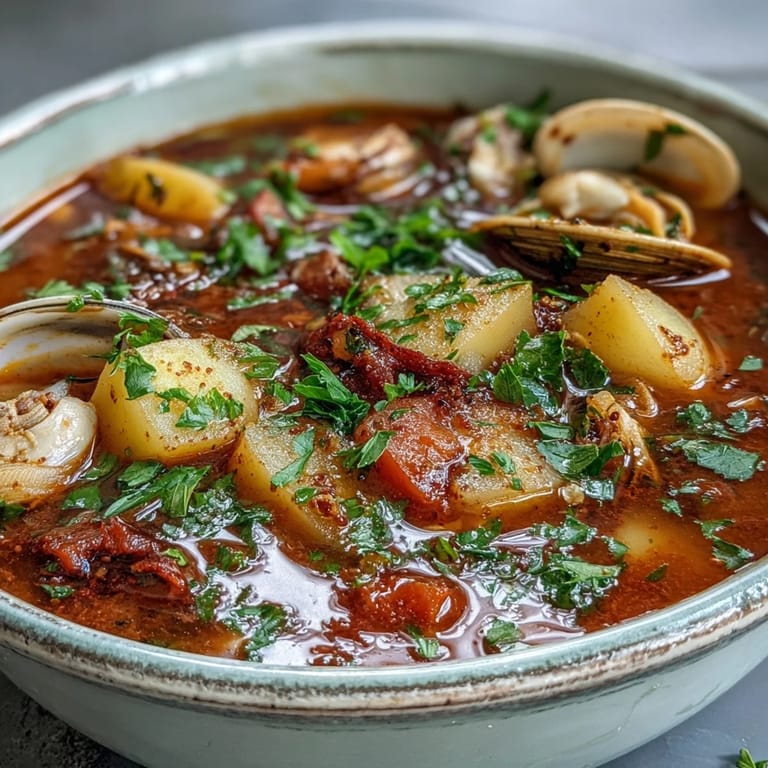
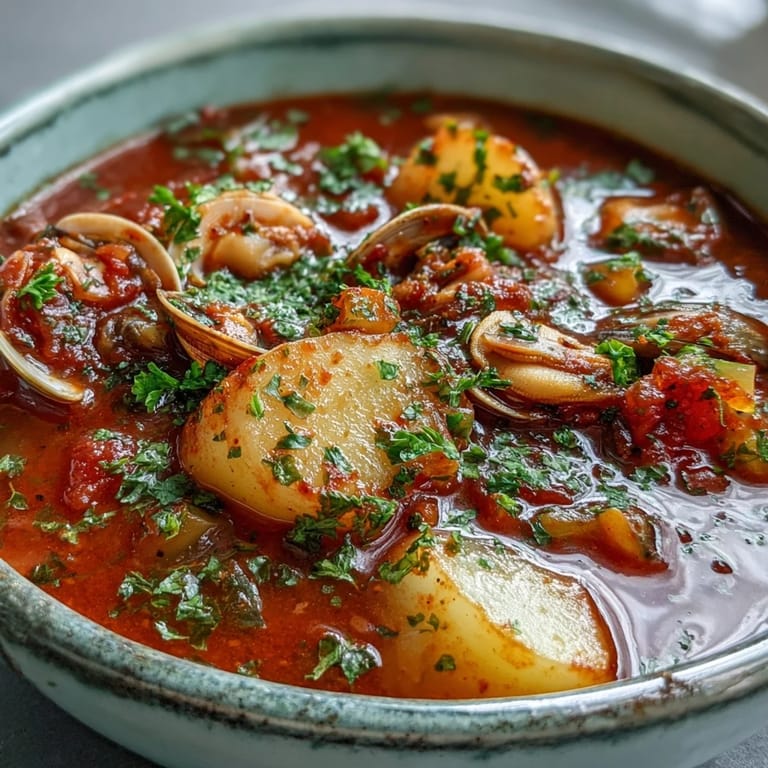
 The first time I tasted Manhattan clam chowder, I was sitting at a weathered counter in a tiny seafood shack near the Battery, watching the chef ladle this brilliant red soup into a white bowl with the casual confidence of someone who'd made it ten thousand times. What struck me wasn't just the taste—though that tomato-bright broth with tender clams was revelatory—but how different it felt from the creamy New England version I'd grown up with. Lighter, more alive, almost alive with the ocean itself. Years later, I realized I could bring that same energy into my own kitchen, and this recipe became my way of chasing that feeling every time I needed something warm and honest.
I made this for my sister one March afternoon when she was going through a rough patch, and she sat at my kitchen counter watching the pot simmer, breathing in that tomato-and-sea smell that seemed to settle her somehow. By the time I ladled it into bowls, she was telling me stories again—the kind that make you feel like things might be okay. There's something about Manhattan clam chowder that invites you to slow down and remember why cooking for people matters.
Ingredients
- Fresh clams or canned: If you can find them, fresh littlenecks are worth the effort—steaming them yourself gives you liquid gold for the broth and clams with a sweetness canned versions can't quite match, though canned works beautifully when time is tight.
- Clam juice: This is your broth foundation, so taste it before buying—some brands are saltier than others, which matters.
- Diced tomatoes with juice: The canned kind is actually ideal here since you get the juice built in; San Marzano varieties add a subtle sweetness that balances the brine.
- Yukon gold potatoes: They hold their shape better than russets and have a buttery flavor that complements the broth without needing butter.
- Olive oil: Good enough to taste but not your expensive finishing oil—this is about building flavor, not displaying it.
- Thyme and oregano: Dried works perfectly here and actually infuses better during a simmer than fresh would.
- Red pepper flakes: Optional but absolutely worth including if you want the soup to have a gentle warmth that makes people ask what that subtle something is.
Tired of Takeout? 🥡
Get 10 meals you can make faster than delivery arrives. Seriously.
One email. No spam. Unsubscribe anytime.
Instructions
- Clean and steam your clams (if using fresh):
- Scrub each one under cold running water, feeling for any that don't close when tapped—discard those. Steam them with water covered on medium-high heat until they crack open like tiny treasures, which takes about five to seven minutes.
- Build your flavor base:
- Heat olive oil in your pot and let the onion, celery, carrots, and bell pepper soften together over medium heat, stirring occasionally—this is where you're building the backbone of the entire soup, so don't rush it. When they're soft and golden at the edges, add garlic and cook just until the kitchen smells like a proper Italian kitchen.
- Combine everything:
- Add your potatoes, tomatoes with all their juice, clam juice, and reserved steaming liquid, then scatter in the thyme, oregano, bay leaves, and red pepper flakes. Stir it all together so nothing sticks to the bottom of the pot.
- Simmer until potatoes are tender:
- Bring everything to a boil, then lower the heat and let it bubble gently uncovered for twenty to twenty-five minutes—the potatoes should break apart slightly when you press them with a spoon. This is when your kitchen starts to smell like an actual restaurant.
- Finish with the clams:
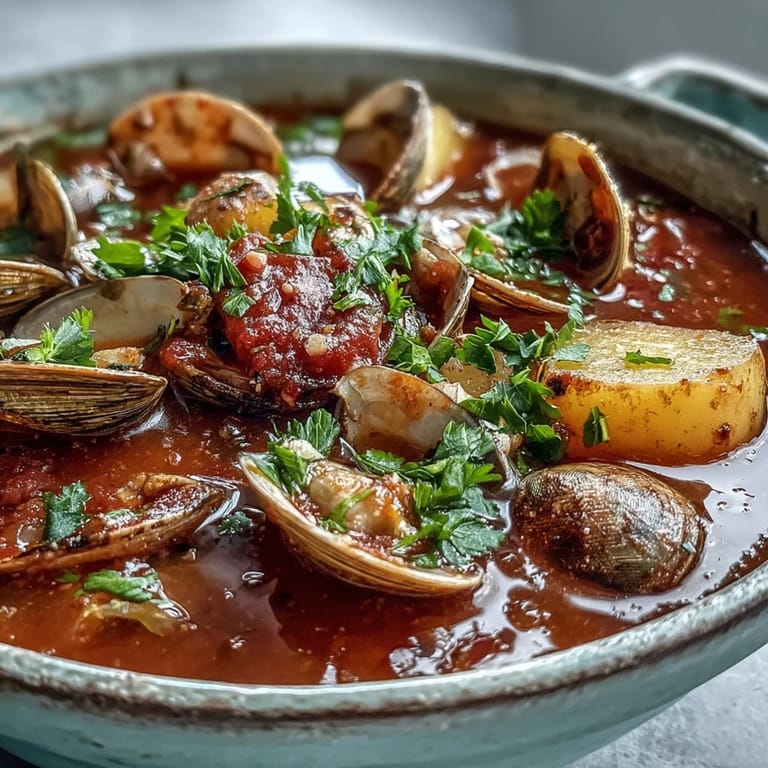
- Gently stir in your chopped clams and let them warm through for three to five minutes—they're already cooked, so you're just bringing them into the party. Taste everything, adjust salt and pepper, remove the bay leaves, and ladle it into bowls while it's still steaming.
 Save to Pins
 One winter evening, my neighbor came over because his daughter was home from college, and he wanted to make her something that reminded her of family dinners. We made this soup together in my kitchen, and I watched him dice vegetables with the kind of focus that suggested he was building a memory, not just preparing ingredients. When his daughter tasted it, she closed her eyes, and that moment—that single moment of recognition and comfort—reminded me that some food is actually about love wearing a different disguise.
Fresh vs. Canned Clams—And When Each One Wins
Fresh clams undeniably offer superior flavor and that theatrical moment of steaming them open, plus their liquid becomes part of your broth's identity. But canned clams deserve respect too—they're reliable, they save you thirty minutes, and they're often better than mediocre fresh ones from a grocery store's back refrigerator. My rule: use fresh when you have a fish market nearby or time to shop intentionally, and canned when you're making this on a random Tuesday and need comfort now rather than perfection later.
The Tomato-Based Revolution
Manhattan clam chowder gets overlooked in favor of its creamy New England cousin, but this lighter version lets the ocean actually shine through. The tomato broth carries the flavor of clams instead of masking it under cream, and the acidity of the tomatoes wakes up your palate with every spoonful. I've converted die-hard New England chowder fans with this soup simply by proving that elegance doesn't require dairy.
Serving and Storing This Soup
Manhattan clam chowder tastes even better the next day when the flavors have melted into each other, so make it ahead without guilt. Store it in an airtight container in the refrigerator for up to three days, and reheat gently on the stove—never blast it at high heat or the clams will toughen. Oyster crackers are the traditional pairing, but honestly, a chunk of sourdough bread torn apart and dipped into the broth might be the only accompaniment you need.
- Freeze the soup without the clams, then add fresh or canned clams when you reheat it for the best texture.
- A bowl of fresh parsley chopped at the last moment adds brightness that makes people think you're a better cook than you actually are.
- If the soup tastes too salty, add a splash of water or a diced potato and simmer until that potato absorbs some of the salt.
 Save to Pins
 This soup is honest food for when you want something warm that tastes like it traveled through time to reach your bowl. Make it, share it, and watch what happens at the table.
Frequently Asked Questions
- → What makes Manhattan clam chowder different from New England style?
Manhattan clam chowder uses a tomato-based broth rather than cream or milk, giving it a vibrant red color and lighter texture. The tomato base provides acidity that balances the natural sweetness of clams and vegetables, creating a distinctly different flavor profile from the rich, creamy New England version.
- → Can I use canned clams instead of fresh?
Absolutely. Canned chopped clams work well in this chowder. Drain them first and reserve the juice to supplement the clam broth. If using canned clams, you'll skip the initial steaming step and proceed directly to sautéing the vegetables. The flavor will still be delicious.
- → How should I store and reheat leftover chowder?
Cool the chowder completely before transferring to an airtight container. It will keep in the refrigerator for up to three days. Reheat gently over medium-low heat, stirring occasionally to prevent scorching. The chowder may thicken slightly in the refrigerator—thin with a splash of water or broth if needed.
- → What type of potatoes work best?
Yukon gold potatoes are ideal because they hold their shape well during simmering while becoming tender. Their naturally creamy texture contributes nicely to the broth. You can substitute red potatoes or other waxy varieties—avoid russets as they may become too soft and break down.
- → Is the red pepper flakes necessary?
The crushed red pepper flakes are optional but recommended if you enjoy gentle heat. They provide subtle warmth that complements the tomatoes and clams without overwhelming the other flavors. For a family-friendly version, simply omit them or reduce the amount to ¼ teaspoon.
- → What bread pairs well with this chowder?
Crusty sourdough bread is an excellent choice for soaking up the tomato-based broth. Oyster crackers add traditional crunch, while warm dinner rolls or a baguette also work beautifully. Consider serving with a simple green salad to complete the meal.