 Save to Pins
 My neighbor Marco showed up one April afternoon with a dusty bottle of Limoncello from his family's Amalfi Coast trip, insisting I had to bake something worthy of it. I'd never worked with the stuff before, but standing in my kitchen with that golden liquid catching the spring sunlight, I understood the assignment—this needed to be bright, buttery, and unforgettable. That first slice, still warm, tasting like sunshine trapped in cake, changed how I think about desserts entirely.
I made this for a work potluck thinking nobody would really care about another dessert, and honestly, I almost didn't bring it. But watching people come back for thirds, seeing their faces light up when they bit into that lemon-soaked crumb, reminded me why I love baking—it's just edible joy, really.
Ingredients
- All-purpose flour (2 ½ cups): Make sure to spoon and level your measuring cup; scooping directly from the bag packs it down and throws off your ratios.
- Baking powder (2 tsp): Fresh baking powder matters here since acidity from the lemon juice needs reliable lift to prevent a dense crumb.
- Salt (½ tsp): Sounds minimal but it amplifies the lemon notes and balances sweetness without making the cake taste salty.
- Unsalted butter (1 cup, softened): Softened butter creams into sugar smoothly; cold butter leads to lumps and uneven mixing that affects texture.
- Granulated sugar (2 cups): The creaming stage is where the magic happens—spend those full 3-4 minutes so air gets incorporated for lift.
- Eggs (4 large, room temperature): Cold eggs don't blend properly into the creamed mixture; pull them out 30 minutes before you start baking.
- Lemon zest (1 tbsp finely grated): Zest only the yellow part, never the bitter white pith underneath; a microplane makes this effortless.
- Fresh lemon juice (¼ cup): Squeeze your own—bottled stuff tastes flat compared to the brightness fresh juice brings to this cake.
- Limoncello liqueur (⅓ cup): This is your secret weapon for moisture and flavor; if you don't have it, use more lemon juice plus a splash of regular vodka.
- Vanilla extract (1 tsp): Pure vanilla, not imitation; it rounds out the sharpness of the lemon with subtle sweetness.
- Whole milk, room temperature (½ cup): Alternate it with flour to create a tender crumb; cold milk won't blend evenly.
- Powdered sugar (1 ½ cups, sifted): Sifting removes lumps so your glaze stays silky and smooth, not gritty.
- Lemon zest for glaze (1 tsp): A final hit of zest on top makes the cake look intentional and adds a tiny burst of bright flavor.
Tired of Takeout? 🥡
Get 10 meals you can make faster than delivery arrives. Seriously.
One email. No spam. Unsubscribe anytime.
Instructions
- Prep Your Pan and Oven:
- Set the oven to 350°F and grease your Bundt or loaf pan thoroughly with butter or cooking spray, then dust it with a light coating of flour—this prevents sticking and gives you a beautiful exterior. If you skip this step, you'll be picking cake out of the crevices later.
- Combine Dry Ingredients:
- Whisk flour, baking powder, and salt in a medium bowl until they're evenly distributed. This is your insurance policy against dense pockets of flour hiding in the final batter.
- Cream Butter and Sugar:
- Beat softened butter with sugar for 3-4 minutes until the mixture looks pale, fluffy, and doubled in volume—your mixer should make a happy humming sound the whole time. Don't rush this step; it's where tiny air bubbles get trapped, creating lift and tender crumb.
- Incorporate Eggs One by One:
- Add eggs individually, beating well after each addition so they fully incorporate before the next one goes in. If the batter looks slightly curdled, that's normal; it'll come together once you add the dry ingredients.
- Add Zest, Juice, and Limoncello:
- Pour in the lemon zest, juice, Limoncello, and vanilla extract, beating just until you don't see streaks anymore. The batter will smell absolutely intoxicating at this point.
- Alternate Wet and Dry Carefully:
- Add about one-third of the flour mixture, beat gently, then add half the milk, then another third of flour, the remaining milk, and finally the last flour portion. Stop mixing the moment you don't see dry flour anymore—overmixing activates gluten and makes the cake tough instead of tender.
- Bake Until Golden:
- Pour batter into your prepared pan, smooth the top with a spatula, and bake for 50-55 minutes until a toothpick inserted into the center comes out clean with maybe one or two moist crumbs clinging to it. Your kitchen should smell like a lemon grove by minute 40.
- Cool Properly:
- Let the cake sit in the pan for exactly 15 minutes—this gives it structure before you flip it—then turn it out onto a wire rack to cool completely. Trying to glaze a warm cake is a recipe for glaze running everywhere.
- Make the Glaze:
- Sift powdered sugar to remove lumps, then whisk it with lemon juice, Limoncello if you're using it, and lemon zest until you have a pourable but slightly thick consistency. It should coat the back of a spoon without dripping off immediately.
- Finish and Rest:
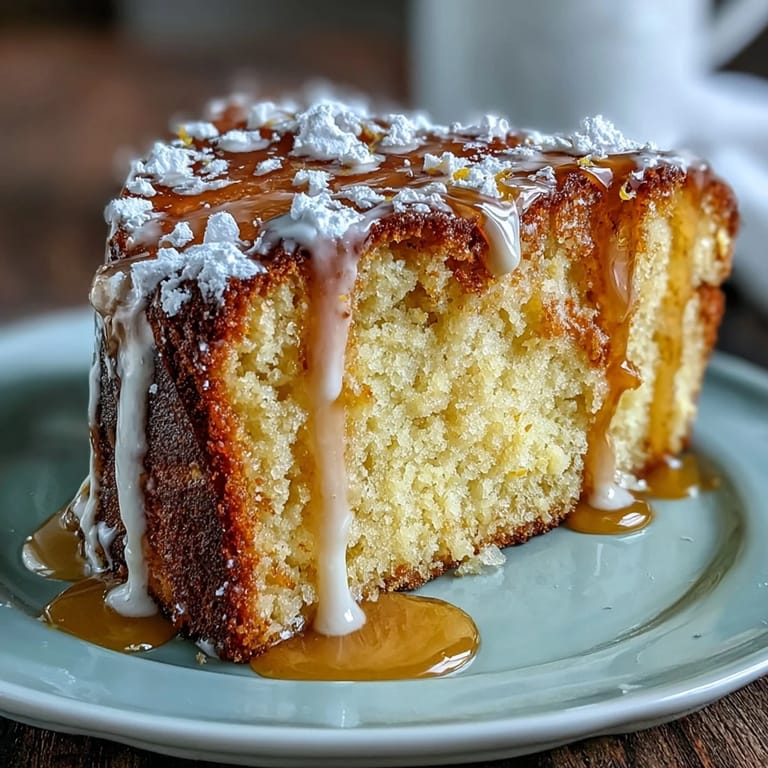
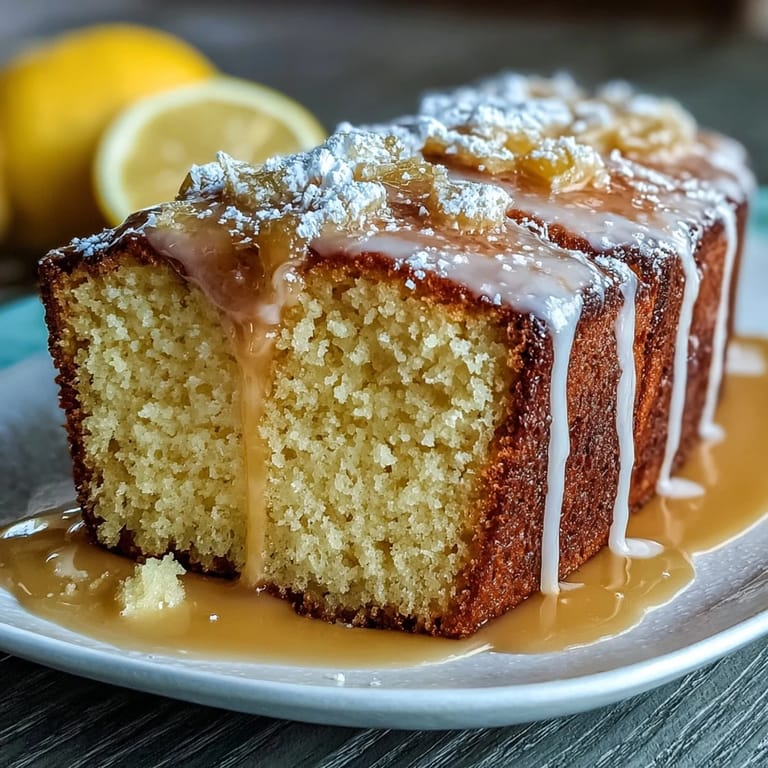
- Drizzle the glaze over the cooled cake in thin streams, letting it pool slightly at the edges and run naturally down the sides. Let it set for 20 minutes before slicing so the glaze firms up and doesn't smudge.
 Save to Pins
 There's something about serving a slice of this cake to someone and watching them pause mid-bite, noticing that perfect balance of tartness and sweetness, richness and lightness. That moment—when food stops being just fuel and becomes a small conversation starter—that's when I remember why I bake.
Choosing Your Pan Matters
A Bundt pan gives you that dramatic ring shape and extra surface area for golden edges, which is gorgeous for entertaining. A loaf pan works just fine if that's what you have; it just looks less fancy and slices a bit thicker. I've made this in both and honestly prefer the Bundt because it feels special without any extra effort.
Making It Your Own
Once you nail the basic cake, the variations practically write themselves. I've tried it with Meyer lemon juice for softer acidity, added a teaspoon of poppy seeds for subtle crunch, and even brushed the cooled cake with extra Limoncello before glazing for maximum intensity. The beauty of a good recipe is that it's a foundation, not a prison—adapt it based on what you love.
Storage and Serving Tips
This cake actually gets better on day two as the crumb continues absorbing the lemon flavor and moisture from the glaze, making it even softer and more cohesive. Store it covered at room temperature for up to three days, or wrap it well and freeze for up to a month. Serve it plain, with fresh berries, or alongside a tiny cup of espresso for that Italian cafe feeling.
- A serrated knife dipped in hot water and wiped clean before each slice prevents the glaze from dragging and tearing.
- For a non-alcoholic version, replace Limoncello with an equal amount of fresh lemon juice plus a tiny splash of vanilla extract.
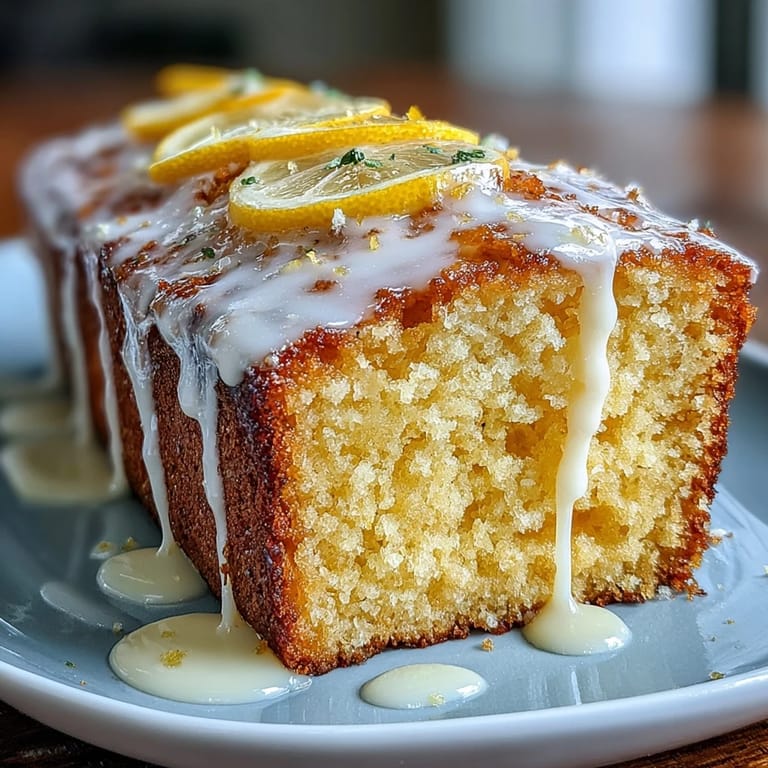
- Garnish with candied lemon peel or thin lemon slices arranged on top right before serving for visual drama.
 Save to Pins
 This cake tastes like springtime and a little bit of Italy, no matter what season it actually is when you bake it. Once you make it, you'll understand why Marco was so insistent about that bottle of Limoncello.
Frequently Asked Questions
- → What gives the cake its moist texture?
The combination of unsalted butter, whole milk, and eggs helps create a tender and moist crumb.
- → Can Limoncello be substituted for a non-alcoholic option?
Yes, you can replace Limoncello with additional fresh lemon juice for a similar citrus flavor without alcohol.
- → How is the lemon glaze prepared?
The glaze is made by whisking powdered sugar with fresh lemon juice, Limoncello (optional), and lemon zest until smooth and pourable.
- → What baking pans work best for this pound cake?
A Bundt pan or a standard loaf pan of about 10 cups capacity works well to ensure even baking.
- → How can I enhance the presentation of this cake?
Garnish with thin lemon slices or candied lemon peel, and serve alongside fresh berries for a vibrant look.
- → What are common allergens in this dish?
This cake contains wheat (gluten), eggs, and dairy from butter and milk.