 Save to Pins
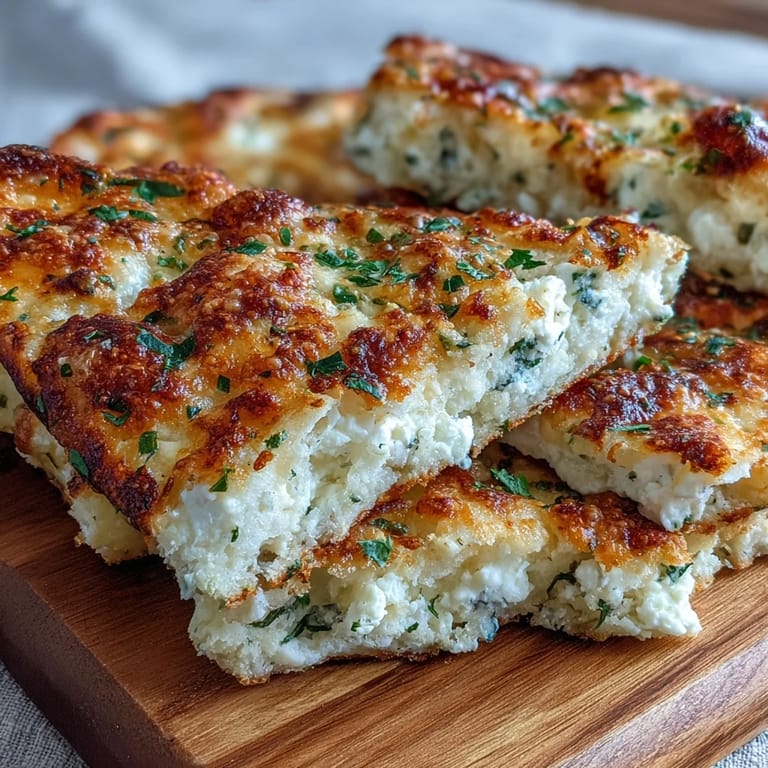
 A friend once asked me what I do with leftover cottage cheese, and I stared at the tub in my fridge for a good minute before deciding to just toss it into dough. The result was these soft, golden flatbreads that puffed up like little pillows in the pan. They smelled like warm bread with a whisper of garlic, and I ate two right there at the stove. I've been making them ever since, usually on nights when I want something homemade but don't have the patience for yeast. They come together fast, cook even faster, and taste like I spent way more effort than I actually did.
I made these for a potluck once, and someone thought I'd ordered them from a bakery. I didn't correct her right away because honestly, I was proud. Later I admitted they took me twenty minutes, and she made me write down the recipe on a napkin. That's the thing about these flatbreads: they look and taste like you know what you're doing, even if you're winging it. I've served them with hummus, used them as wraps for grilled chicken, and once turned them into breakfast pizzas topped with scrambled eggs. They never disappoint, and they always disappear.
Ingredients
- All-purpose flour: This is your structure, the backbone that holds everything together, and a little extra for dusting keeps things from sticking when you roll.
- Baking powder: The magic that makes these puff and rise in the pan without any yeast or waiting around.
- Fine salt: Just enough to wake up the other flavors without making the dough taste flat or boring.
- Garlic powder: Optional, but it adds a quiet savory note that makes the kitchen smell amazing while they cook.
- Full-fat cottage cheese: Drain it well or your dough will be too wet, the curds break down and make the flatbreads unbelievably soft.
- Large egg: Binds everything and adds a bit of richness, helping the dough come together without being sticky or crumbly.
- Olive oil: Keeps the dough tender and adds a hint of richness, plus you'll need a little more for cooking.
- Fresh chopped herbs: Parsley or chives work beautifully, adding little green flecks and a fresh, bright flavor.
- Water: Only if needed, add it slowly to adjust the dough if it feels too dry or won't come together.
Tired of Takeout? 🥡
Get 10 meals you can make faster than delivery arrives. Seriously.
One email. No spam. Unsubscribe anytime.
Instructions
- Mix the dry ingredients:
- Whisk the flour, baking powder, salt, and garlic powder together in a medium bowl until everything is evenly distributed. This ensures every bite has a little bit of everything.
- Combine the wet ingredients:
- In a separate bowl, mix the drained cottage cheese, egg, olive oil, and herbs, using a fork to break up the curds until it's mostly smooth. It doesn't have to be perfect, just well combined.
- Form the dough:
- Pour the wet mixture into the dry ingredients and stir gently with a spatula until a shaggy dough forms. If it feels too dry or crumbly, add water one teaspoon at a time until it comes together into a soft, slightly sticky ball.
- Knead briefly:
- Turn the dough onto a lightly floured surface and fold it over itself about six to eight times, just enough to bring it into a cohesive ball. Over-kneading will make them tough, so keep it light and quick.
- Rest the dough:
- Cover the dough with a clean kitchen towel or plastic wrap and let it sit at room temperature for ten minutes. This short rest makes it easier to roll and helps the texture turn out tender.
- Divide and roll:
- After resting, divide the dough into four equal portions and roll each into a smooth ball. Flatten each ball with a rolling pin or your hands into a round about a quarter inch thick, dusting lightly with flour as needed.
- Heat the skillet:
- Warm a large nonstick or cast-iron skillet over medium heat and brush lightly with olive oil. You want it hot enough to sizzle but not so hot that it burns.
- Cook the flatbreads:
- Place one rolled flatbread in the hot skillet and cook for two to three minutes until bubbles form and the underside is golden brown. Flip and cook another one to two minutes until golden and cooked through, adjusting the heat as needed.
- Keep warm:
- Transfer the cooked flatbread to a plate and cover with a clean towel to keep it warm and soft. Repeat with the remaining dough, adding more oil to the skillet if necessary.
- Serve:
- Serve warm as a wrap, with dips, or as a pizza base with your favorite toppings. They're best fresh but reheat beautifully.
 Save to Pins
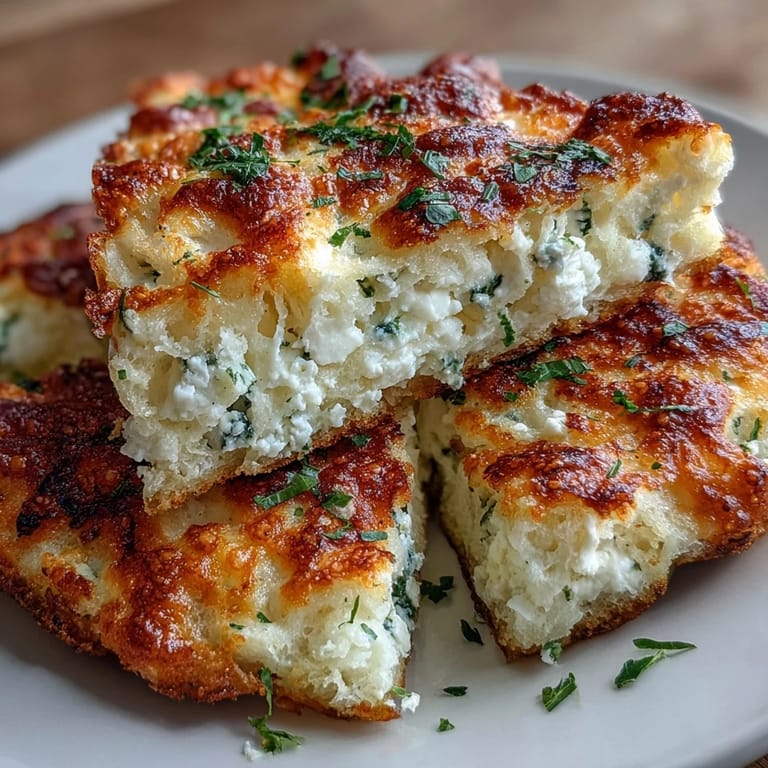
 One Sunday morning, I rolled these out while my daughter sat at the counter doing homework. She kept sneaking bites of the warm flatbreads between math problems, and eventually I just made her a little pizza with tomato sauce and mozzarella. She said it was better than the cafeteria pizza, which might not sound like much, but coming from a ten-year-old, it meant everything. That's when I realized these weren't just a quick recipe, they were a way to make ordinary moments feel a little more special.
How to Store and Reheat
I stack leftover flatbreads in an airtight container with a piece of parchment between each one so they don't stick together. They keep in the fridge for up to three days or in the freezer for a month. When I want to reheat them, I warm a skillet over medium heat and cook them for about thirty seconds per side, or I microwave them wrapped in a damp paper towel for fifteen seconds. Either way, they come back soft and warm, almost like they just came off the stove.
Ways to Use These Flatbreads
I've wrapped them around scrambled eggs and avocado for breakfast, stuffed them with grilled vegetables and feta for lunch, and topped them with marinara and pepperoni for quick weeknight pizzas. They're also great for dipping into hummus, tzatziki, or even a warm bowl of soup. The mild flavor and soft texture make them a blank canvas, so you can go in any direction you're craving. Sometimes I just tear one in half and eat it plain while it's still warm, and that's enough.
Ingredient Swaps and Variations
If you want to make these gluten-free, swap the all-purpose flour for a one-to-one gluten-free blend and add a tablespoon of ground flaxseed for texture. You can also stir in finely chopped spinach, sun-dried tomatoes, or even a little grated Parmesan for extra flavor. I've tried them with fresh dill instead of parsley, and they were perfect with smoked salmon and cream cheese. The dough is forgiving, so don't be afraid to experiment with what you have on hand.
- Try adding a pinch of red pepper flakes to the dough for a subtle kick.
- Brush the cooked flatbreads with melted butter and sprinkle with sea salt for a richer finish.
- Use Greek yogurt instead of cottage cheese if that's what you have, just drain it well first.
 Save to Pins
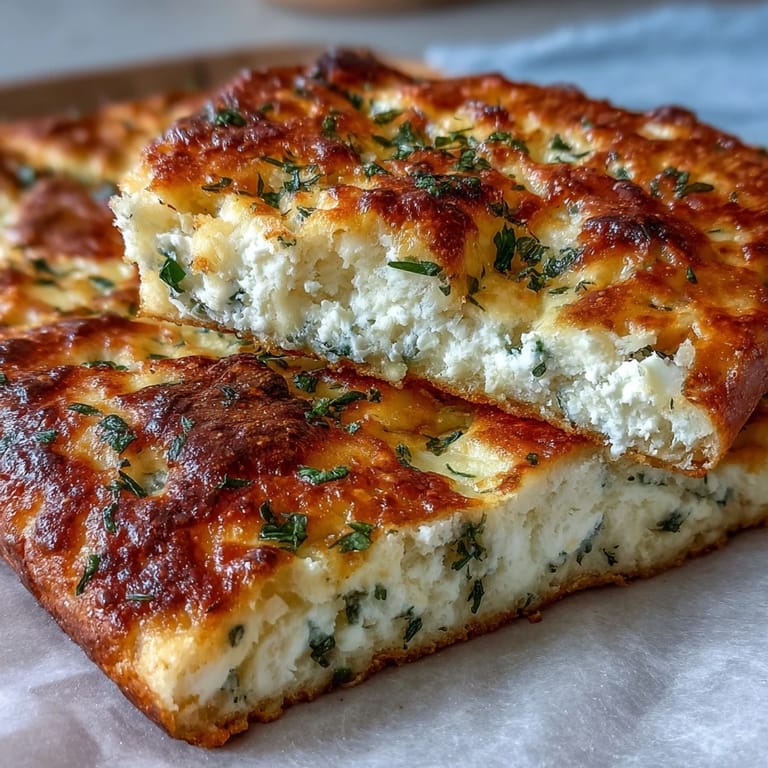
 These flatbreads have become one of those recipes I turn to when I want something comforting but don't want to spend all evening in the kitchen. They're simple, they're reliable, and they always make me feel like I'm taking care of the people I'm feeding.
Frequently Asked Questions
- → Can I make these flatbreads gluten-free?
Yes, substitute the all-purpose flour with a 1:1 gluten-free flour blend and add 1 tablespoon of ground flaxseed to improve texture and binding.
- → How do I store leftover flatbreads?
Store cooled flatbreads in an airtight container in the refrigerator for up to 3 days, or freeze them for up to 1 month. Reheat in a skillet or microwave with a damp paper towel to restore softness.
- → Why is my dough too dry or crumbly?
Cottage cheese brands vary in moisture content. If your dough feels dry, add water 1 teaspoon at a time until it forms a soft, slightly sticky ball that holds together.
- → Can I add other ingredients to the dough?
Absolutely. Try mixing in finely chopped spinach, sun-dried tomatoes, or different herbs like rosemary or oregano for extra flavor and color.
- → What's the best way to use these flatbreads?
These versatile flatbreads work beautifully as wraps for sandwiches, alongside dips like hummus or tzatziki, or as a quick pizza base topped with sauce and cheese then baked at 425°F for 8–10 minutes.
- → Do I need to drain the cottage cheese?
Yes, draining excess liquid from the cottage cheese helps achieve the right dough consistency. Use a fine-mesh strainer or cheesecloth to remove moisture before mixing.