 Save to Pins
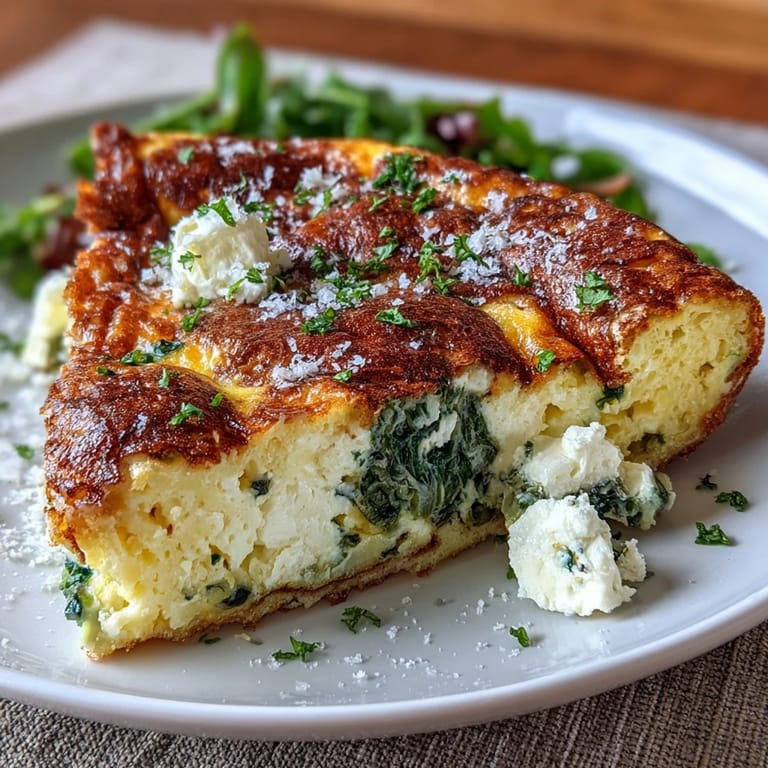
 Last spring, my neighbor knocked on the door with a bundle of asparagus from her garden, and I had maybe twenty minutes before guests arrived. I'd never made a frittata before, but somehow it felt like the obvious answer—eggs, cheese, those green spears, all coming together in one pan. The kitchen filled with this gentle sizzle, and by the time everyone sat down, I realized I'd stumbled onto something that felt both effortless and special.
I made this for my sister's birthday brunch one April morning, and what I remember most isn't the frittata itself, but how the kitchen smelled when the Parmesan started to brown in the oven—nutty and warm, like something you'd want to bottle. She came downstairs halfway through cooking and just stood there breathing it in, and that moment felt like the real gift.
Ingredients
- Asparagus (about 200 g, trimmed and cut into 2 cm pieces): The star of spring—look for thick spears with tight tips, and don't peel them unless they're woody at the base.
- Red onion (1 small, finely chopped): A bit of sharpness and color that keeps things interesting; white onion works fine if that's what you have.
- Baby spinach (1 cup, roughly chopped): Wilts down to almost nothing, so don't be shy with it.
- Eggs (6 large): The foundation—use room temperature eggs if you can, they whisk together more smoothly.
- Whole milk (1/4 cup): Just enough to make the frittata creamy without making it custardy; cream works beautifully too if you want it richer.
- Goat cheese (100 g, crumbled): Those soft crumbles add pockets of tanginess that brighten every bite; if you can't find goat cheese, feta or ricotta both work wonderfully.
- Grated Parmesan (2 tbsp): This is your golden-brown insurance—it catches the heat and becomes crispy.
- Fresh chives (2 tbsp, finely sliced): A whisper of onion flavor that feels fresh and spring-like.
- Fresh dill (1 tbsp, chopped, optional): I usually add it because it makes everything taste like the garden, but skip it if you're not a dill person.
- Salt (1/2 tsp) and freshly ground black pepper (1/4 tsp): Taste as you go—you might need a bit more once everything combines.
- Red pepper flakes (pinch, optional): A secret whisper of heat that nobody can quite identify but everyone notices.
- Olive oil (2 tbsp) and unsalted butter (1 tbsp): The oil gets you started, the butter adds its own warmth and richness to the vegetables.
Tired of Takeout? 🥡
Get 10 meals you can make faster than delivery arrives. Seriously.
One email. No spam. Unsubscribe anytime.
Instructions
- Get your pan ready and heat gently:
- Preheat the oven to 180°C (350°F) so it's waiting for you. While that happens, find your ovenproof skillet—cast iron or nonstick both work—and set it over medium heat with the olive oil.
- Soften the red onion first:
- Let the onion cook in that oil for 2–3 minutes, stirring occasionally, until it becomes translucent and sweet. You'll smell it change from sharp to mellow.
- Bring in the asparagus and let it tender:
- Add those asparagus pieces and cook for 4–5 minutes, stirring now and then, until they're just tender but still have a tiny bit of resistance when you bite one. Then tumble in the spinach and let it wilt for about a minute.
- Whisk your egg mixture with care:
- In a separate bowl, whisk together the eggs, milk, salt, pepper, and half of the chives and dill until everything is smoothly combined and pale. This is where your frittata gets its fluffiness.
- Bring it all together on the stovetop:
- Turn the heat down to low and pour that egg mixture slowly and evenly over the vegetables. Scatter the goat cheese on top in little crumbles, then sprinkle the Parmesan over everything.
- Let the edges start to set:
- Leave it undisturbed for 4–5 minutes—you'll see the edges firm up while the center stays soft and runny. This is exactly what you want before it goes into the oven.
- Finish it in the oven with a gentle touch:
- Transfer the whole skillet to the oven and bake for 10–12 minutes until the center is just barely set and the top is lightly golden. It'll still jiggle slightly when you gently shake the pan, and that's perfect.
- Rest and garnish with intention:
- Pull it out and let it sit for 5 minutes—this helps it set a bit more without becoming rubbery. Scatter the remaining chives and dill on top, add that pinch of red pepper flakes if you like, then slice into wedges and serve warm or at room temperature.
 Save to Pins
 There was an afternoon last May when my roommate came home early and I was just pulling this from the oven, and she said the smell alone made her day better. We ended up eating half of it right then, standing at the counter, and I realized that the best meals aren't always about following rules perfectly—they're about sharing something warm with someone you care about.
Why This Works for Spring
Spring vegetables are delicate and brief, so a frittata honors that by letting them shine without heavy sauces or complicated techniques. The asparagus stays tender, the spinach becomes silky, and the goat cheese adds just enough creaminess to make everything feel luxurious without weighing it down. It's the kind of dish that tastes like the season—bright, fresh, and a little bit precious because you know it won't last forever.
Making It Your Own
Once you understand how a frittata works, you can swap things around without worry. Leeks and peas are wonderful in spring, or try adding fresh herbs like tarragon or chervil if you see them at the market. The only real rule is don't overcrowd the pan with vegetables, or your eggs won't set evenly—everything needs a chance to cook through.
Serving and Pairing Ideas
Serve this warm straight from the oven, or let it cool and bring it to room temperature for a more relaxed feel. A simple green salad dressed with lemon and olive oil is the perfect companion, and crusty bread makes it a complete meal. If you're hosting, you can make it a few hours ahead and just reheat it gently in a low oven.
- A crisp white wine or sparkling rosé pairs beautifully if you want to make it feel special.
- Leftovers taste just as good cold the next day, wrapped up and grabbed for lunch.
- You can slice it into smaller pieces and serve as appetizers at a party if you want to be clever about it.
 Save to Pins
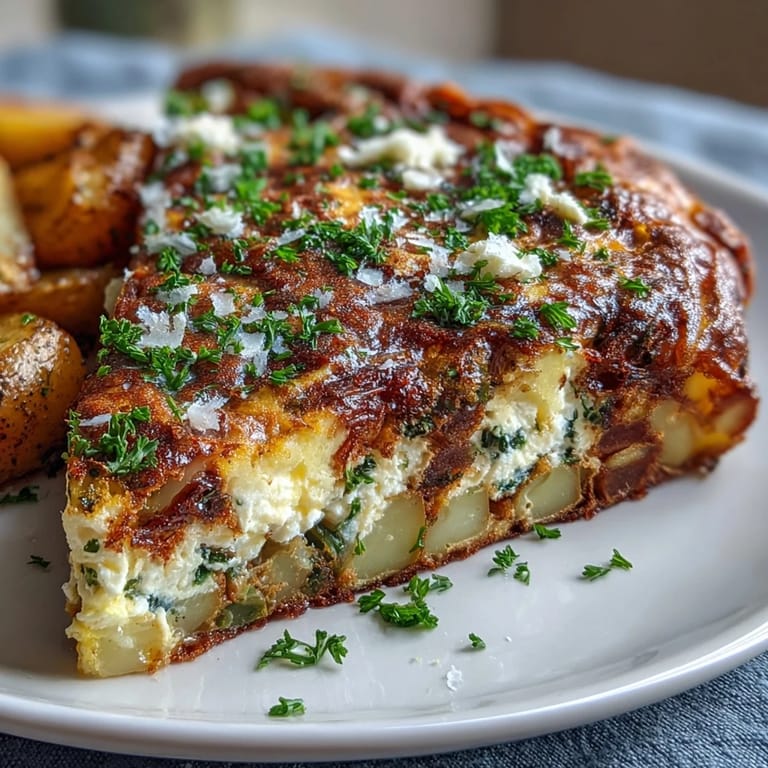
 This frittata has become my go-to when I want to cook something that feels both restaurant-worthy and genuinely simple. It never fails to make people happy, and that's really all that matters.
Frequently Asked Questions
- → What type of cheese works well in this dish?
Goat cheese adds a creamy texture and tangy flavor, but feta or ricotta are excellent alternatives for a different taste.
- → Can I use other vegetables besides asparagus?
Yes, spring vegetables like peas or leeks complement the flavors and add variety to the dish.
- → How do I ensure the frittata cooks evenly?
Cook on the stovetop until edges set, then transfer to a preheated oven to finish gently for a uniform texture.
- → What cookware is best for preparing this dish?
An ovenproof skillet, preferably nonstick or cast iron, is ideal for sautéing and baking in one pan.
- → Is this dish suitable for gluten-free diets?
Yes, this is naturally gluten-free as long as dairy ingredients are checked for gluten content.