 Save to Pins
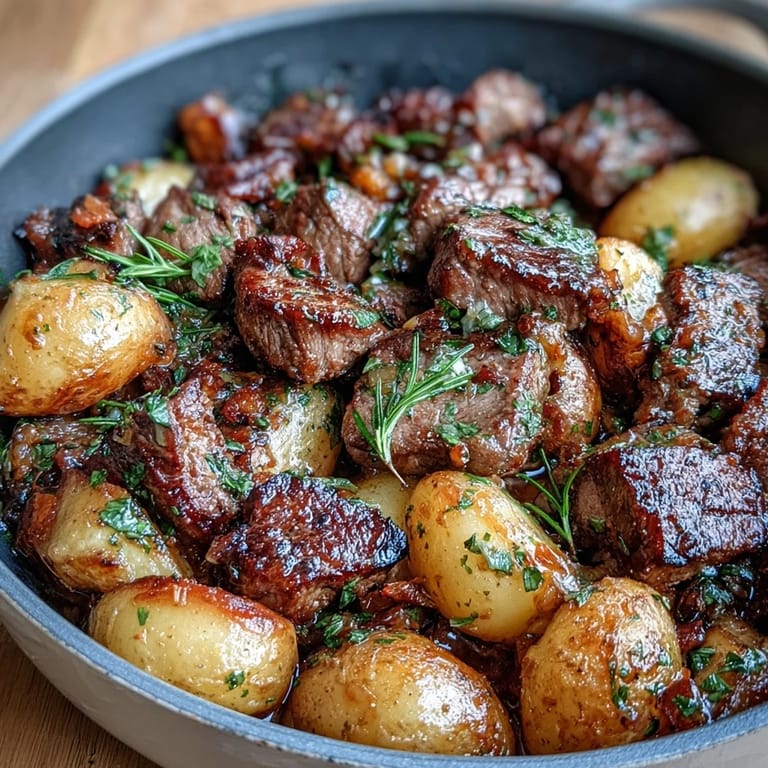
 There's something about the sound of steak hitting a hot skillet that signals dinner is about to be good. My aunt taught me that you don't need hours of simmering to get those deep, savory flavors—just high heat, good butter, and a little patience. This garlic butter steak and potato skillet became my go-to when I wanted something that tasted like a proper Sunday dinner but wouldn't keep me in the kitchen past sunset. One weeknight, I threw this together while my partner set the table, and the aroma alone had them sneaking into the kitchen asking when we'd eat. Simple ingredients, serious flavor.
I made this for my sister the night she got promoted, and she literally closed her eyes after the first bite—the kind of moment that reminds you why cooking for people matters. The golden potatoes were still steaming, the steak was tender enough to cut with just a fork, and that garlic butter sauce was pooling at the bottom of her bowl. She's asked me to make it at least once a month since, which feels like the ultimate compliment.
Ingredients
- Sirloin steak (1 ½ lbs, cut into 1-inch cubes): Sirloin is forgiving, lean, and becomes wonderfully tender when cut into smaller pieces. Don't skip the smoked paprika in the marinade—it adds a subtle depth that elevates the whole dish.
- Baby Yukon gold potatoes (1 ½ lbs, quartered): These stay creamy inside while their edges crisp up beautifully in the skillet. They're starchy enough to absorb all that garlicky butter without falling apart.
- Olive oil (3 tbsp total): Use a neutral variety for cooking at high heat; save your good stuff for drizzling at the end if you like.
- Salt and black pepper: Season in layers—once on the potatoes, once on the steak—and again at the very end. This is how you build real flavor.
- Dried thyme (½ tsp): Thyme belongs with potatoes the way butter belongs with steak. Fresh works too if you have it, but dried is just as good here.
- Unsalted butter (4 tbsp): This is your sauce base, so use the best butter you can afford. It makes an actual difference in how silky everything tastes.
- Garlic (6 cloves, minced): Mince it fine so it melts into the butter. Garlic that's sliced too thick can burn and turn bitter—learn from my early attempts.
- Fresh rosemary (1 tbsp, finely chopped): Rosemary and steak are a classic pairing. If you only have dried, use about a third of the amount since it's more concentrated.
- Fresh parsley (1 tbsp, plus more for serving): This brightens everything up at the end and looks beautiful scattered on top. It's the green that says you care.
- Red pepper flakes (½ tsp, optional): A whisper of heat, not a shout. Skip it if you're cooking for someone who doesn't like spice, but honestly, it rounds out all those rich flavors.
- Lemon juice (from ½ lemon): This acid cuts through the butter and makes the whole thing sing. Don't skip it thinking you're saving time.
Tired of Takeout? 🥡
Get 10 meals you can make faster than delivery arrives. Seriously.
One email. No spam. Unsubscribe anytime.
Instructions
- Season the steak while you prep:
- Toss your steak cubes with olive oil, salt, pepper, and smoked paprika in a bowl and let them sit. This gives the seasonings time to cling to the meat while you work on the potatoes.
- Get the potatoes golden and crispy:
- Heat 2 tbsp olive oil in your skillet over medium-high heat until it shimmers. Add the potatoes with salt, thyme, and pepper, then stir occasionally so they brown evenly on multiple sides—this takes about 15 to 18 minutes. You want them fork-tender inside with edges that are almost caramelized.
- Sear the steak until it's just cooked through:
- Crank the heat to high and add your seasoned steak in a single layer, working in batches so nothing steams. Let each piece sit for 2 to 3 minutes per side so it develops a golden crust. Don't overcrowd the skillet, and don't poke at it—let the meat do its thing.
- Build the garlic butter magic:
- Lower the heat to medium and add butter to the now-empty skillet. Once it's melted and starting to foam, add your minced garlic, rosemary, parsley, and red pepper flakes. Let it get fragrant for about a minute—your whole kitchen will smell incredible, and that's how you know it's working.
- Bring it all together:
- Return the potatoes and steak to the skillet and toss everything so it gets coated in that silky garlic butter. Squeeze lemon juice over the top and taste as you go, adding more salt or pepper if needed.
- Finish with style:
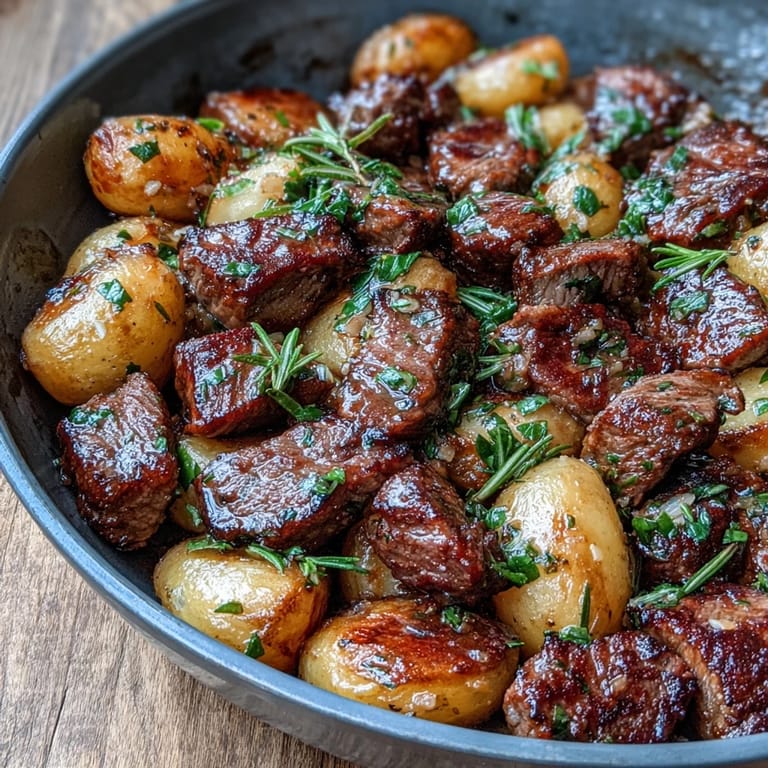
- Transfer to a serving dish or serve right from the skillet, scattering fresh parsley on top. This dish is best hot and straight from the pan.
 Save to Pins
 The first time I made this, my mom took a bite and said, 'This tastes like you actually know what you're doing in the kitchen,' which sent me into a fit of quiet laughter because I'd burned toast that same morning. But that's the thing about this recipe—it makes you feel capable.
Why Cast Iron Changes Everything
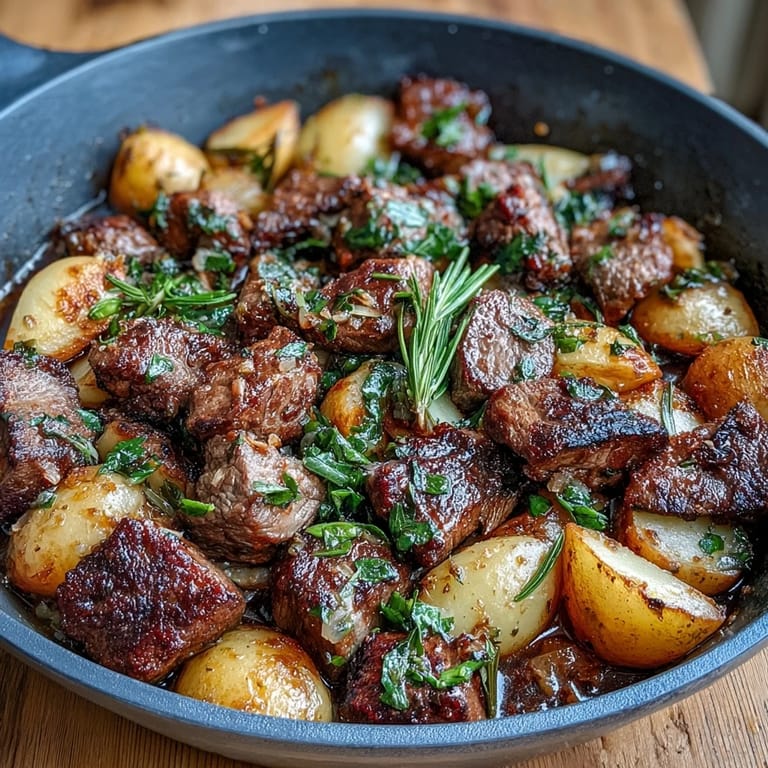
If you have a cast iron skillet, use it here. The heat retention means your potatoes get crispy instead of just cooked through, and the seasoning in a well-used cast iron adds its own subtle flavor that stainless steel can't match. I used a regular skillet for years and thought I was doing fine, then borrowed my neighbor's cast iron and realized I'd been missing out. If you don't have one, a stainless steel skillet works perfectly—just watch the potatoes a little closer so they don't stick.
The Butter Sauce Is Where the Magic Happens
This isn't a complicated sauce, but it's important. The butter mellows the raw garlic, the rosemary adds this earthy complexity, and the parsley brings everything back to brightness. Some nights, after the steak and potatoes are gone, I find myself spooning that sauce onto a piece of bread because it's too good to waste. If you want to add even more depth, deglaze the skillet with a splash of beef broth or dry white wine before you add the butter—it creates a sauce so good you'll want to drink it.
Variations and What Works
This recipe is flexible in ways that make it feel fresh even when you're making it for the third time in a month. Swap in mushrooms if you want earthiness, throw in green beans if you want vegetables, or use ribeye instead of sirloin if you're feeling luxurious. I once added caramelized onions because I had them on hand, and it became something entirely new but equally delicious.
- Ribeye or strip steak work beautifully here and will be even more tender than sirloin if your budget allows.
- Fresh thyme instead of dried is wonderful, but add it just before serving so it doesn't lose its brightness.
- A squeeze of balsamic vinegar instead of lemon creates a different kind of richness that's equally worth exploring.
 Save to Pins
 This dish has become the recipe I make when I want to feel like I'm taking care of people, and when I want to take care of myself too. It's the kind of dinner that starts conversations and ends with clean plates.
Frequently Asked Questions
- → What cut of steak works best?
Sirloin is ideal for this dish as it's tender yet economical, but ribeye or strip steak work beautifully too. Cut your steak into uniform 1-inch cubes to ensure even cooking and consistent searing on all sides.
- → How do I get crispy potatoes?
Start with quartered baby Yukon gold potatoes and cook them in hot olive oil over medium-high heat. Don't stir too frequently—let them develop a golden crust on each side before turning. This takes about 15-18 minutes for perfectly crispy yet tender potatoes.
- → Can I make this ahead?
While best served fresh, you can prep components in advance. Cut the steak and potatoes up to a day ahead and store separately. The dish comes together quickly, so it's easy to cook everything just before serving for optimal texture and flavor.
- → What sides pair well?
This skillet meal is quite complete on its own, but a simple green salad with vinaigrette or steamed green beans make nice additions. For a heartier meal, serve with crusty bread to soak up the extra garlic butter sauce.
- → How do I adjust the spice level?
The crushed red pepper flakes are optional and add gentle warmth. Omit them for a milder dish, or increase to 1 teaspoon for more heat. Smoked paprika in the steak marinade also adds subtle depth without too much spice.
- → Can I use different herbs?
Absolutely. Fresh thyme, sage, or oregano work well in place of or alongside the rosemary. Dried herbs can substitute fresh—use about one-third the amount since dried herbs are more concentrated by volume.