 Save to Pins
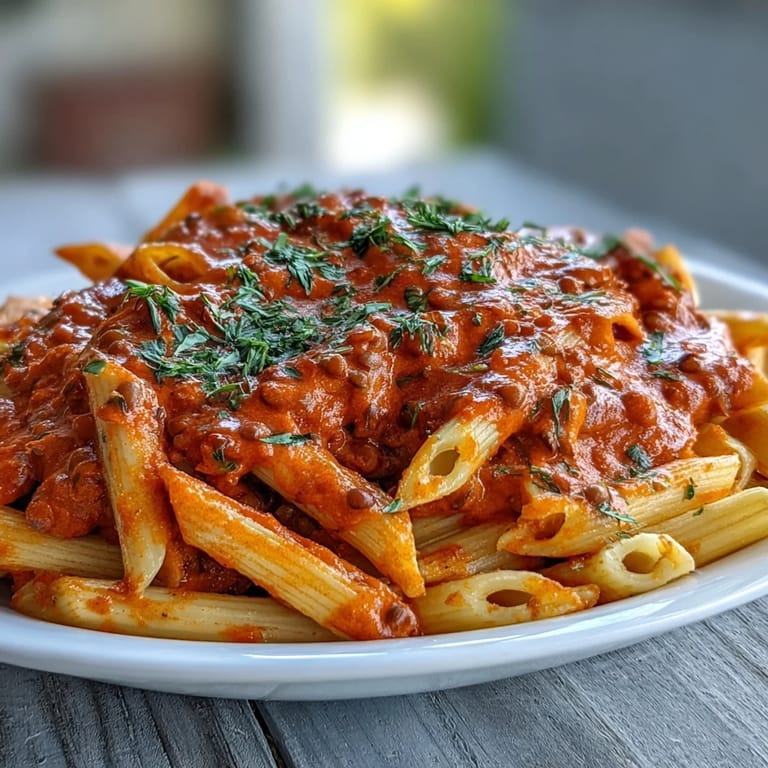
 There's something about the smell of roasted red peppers that stops me mid-task every time. Years ago, I was testing recipes for a dinner party when a friend mentioned she'd gone vegan, and I panicked—until I realized those charred peppers sitting in my oven could become something creamy and luxurious without a drop of cream. That night, I blended them with lentils almost by accident, and what emerged was this silky, smoky sauce that made everyone at the table pause and ask what was in it. It's become my go-to proof that plant-based cooking isn't about sacrifice.
I made this for my partner during one of those stretches where we were both exhausted and eating on autopilot, and I watched his face change the moment he tasted it. He kept asking if it was supposed to be vegan, genuinely confused that something so creamy and comforting came from plants. That's when I knew I'd cracked something real—not just a diet-friendly version of a familiar dish, but something that stands on its own.
Ingredients
- Dried penne or fusilli pasta (340 g / 12 oz): The shape matters here because ridged pasta catches the creamy sauce beautifully, but honestly any short pasta works—use gluten-free if needed, and always reserve pasta water before draining because you'll use it to adjust the sauce consistency.
- Roasted red bell peppers (2 large): These are the soul of the dish, bringing smokiness and natural sweetness; jarred versions are genuinely fine if fresh roasting feels like too much, just drain them well.
- Yellow onion (1 medium, chopped): Sautéing it first mellows the bite and builds flavor depth that raw onion simply can't deliver.
- Garlic (3 cloves, minced): Don't skip this step—a minute of heat transforms raw garlic into something mellow and sweet.
- Cooked lentils (120 g / 3/4 cup, well-drained): These add protein and body to the sauce while staying completely invisible; brown or green lentils work equally well, and this is actually the perfect use for canned lentils if you're short on time.
- Unsweetened plant-based milk (120 ml / 1/2 cup): Oat milk gives the richest result, but almond or soy work fine—avoid sweetened versions or your sauce will taste like dessert.
- Olive oil (2 tbsp): Split between cooking and finishing for better flavor distribution.
- Nutritional yeast (2 tbsp): This is non-negotiable for depth and umami; it's what makes this taste savory and complete.
- Tomato paste (1 tbsp): A small amount adds concentrated flavor without making the sauce taste tomato-forward.
- Smoked paprika (1 tsp): The smoky note is what elevates this from simply creamy to genuinely craveable.
- Dried oregano (1/2 tsp): Italian seasoning can substitute in a pinch, but the herbaceous note matters.
- Salt and black pepper (1/2 tsp and 1/4 tsp): Taste as you go because you might need more depending on your plant milk and lentils.
Tired of Takeout? 🥡
Get 10 meals you can make faster than delivery arrives. Seriously.
One email. No spam. Unsubscribe anytime.
Instructions
- Start the pasta:
- Get a large pot of salted water boiling and add your pasta, cooking it exactly to package instructions—not a minute longer or it'll turn mushy when tossed with the warm sauce. As soon as you drain it, set aside that 1/2 cup of pasta water in a small bowl because it's your secret weapon for sauce consistency.
- Build the flavor base:
- Heat 1 tablespoon of olive oil in a skillet over medium heat and add your chopped onion, letting it soften for 4-5 minutes while stirring occasionally. Listen for that gentle sizzle and watch the onion turn translucent at the edges, then add your minced garlic and cook for just one more minute until the smell becomes almost perfumy.
- Blend into magic:
- Transfer the sautéed onion and garlic to a blender along with your roasted red peppers, drained lentils, plant-based milk, nutritional yeast, tomato paste, smoked paprika, oregano, salt, and pepper. Blend on high speed for a full 2-3 minutes until the mixture is completely smooth and creamy with no visible lentil pieces or pepper chunks remaining.
- Adjust and taste:
- Pour the sauce back into your skillet over low heat and stir in the remaining tablespoon of olive oil, then start adding your reserved pasta water one splash at a time until the sauce reaches a consistency that coats the back of a spoon but still flows. Taste it now and add more salt if needed—you want it to taste bold and complete.
- Bring it together:
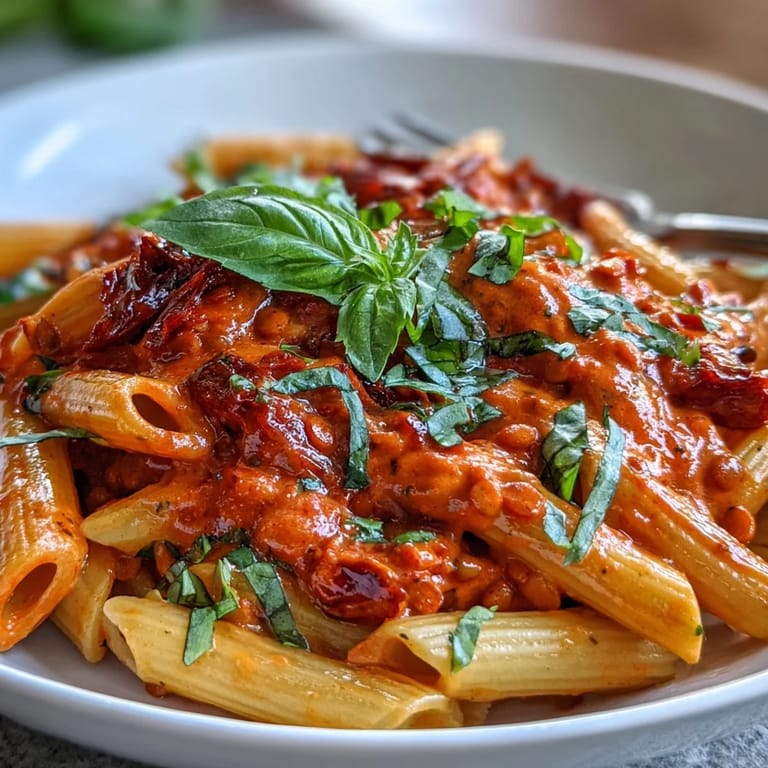
- Add your drained pasta directly to the skillet and toss for 1-2 minutes so every strand gets coated in that silky, roasted-pepper sauce. If it seems too thick, add another splash of pasta water; if too thin, let it sit off heat for a minute while you get plates ready.
- Finish and serve:
- Divide among bowls while everything is still warm and top with fresh basil, a sprinkle of vegan parmesan or extra nutritional yeast, and a pinch of red pepper flakes if you like heat. Serve immediately before the sauce cools and thickens further.
 Save to Pins
 My sister brought her kids over on a random Tuesday, and I served this almost apologetically because I wasn't sure how young palates would react to lentils hidden in a pink sauce. But my nephew went back for thirds and asked if it was regular pasta, which somehow felt like the highest compliment—he didn't even notice he was eating something good for him. That's when I realized this dish does exactly what good food should: it nourishes without announcing it, satisfies without pretension.
The Secret of Smoked Paprika
I learned this the hard way after making the sauce three times with regular paprika before a friend suggested I try smoked. The difference was shocking—suddenly it tasted like something cooked over fire, something with depth. One teaspoon transforms the whole dish from nice to memorable, and it's one of those ingredients that proves you don't need complicated techniques to cook better food.
Why This Sauce Works
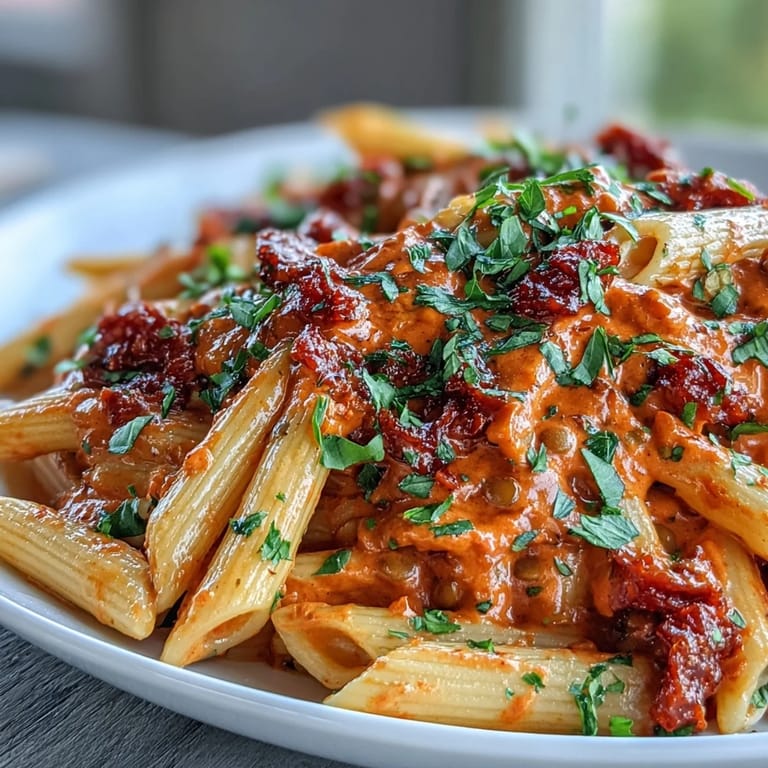
The magic here is that blended lentils create creaminess through starch and protein rather than dairy, so the sauce is naturally thick and luxurious without anything to apologize for. The roasted peppers add sweetness and smokiness that makes the whole thing feel special, while nutritional yeast brings an almost subtle cheesy depth that rounds everything out. Combined, they create a sauce that tastes intentional and complete, like it was designed by someone who knew exactly what they were doing.
How to Make This Your Own
The base is solid, but this sauce is also forgiving enough to adapt to what you have or what you're craving. If fresh roasted peppers feel like too much, jarred ones honestly work just as well—just drain them thoroughly. You can swap green lentils for red ones if you want a slightly sweeter sauce, or even add a handful of sautéed spinach or roasted zucchini to bulk it up with more vegetables without changing the character of the dish.
- Taste the sauce before adding pasta and adjust salt or add a squeeze of lemon juice if it feels one-note.
- If you're serving guests, make the sauce ahead and reheat it gently with a splash of pasta water—it actually tastes better the next day as flavors meld.
- Keep extra nutritional yeast at the table for anyone who wants to sprinkle more on, because that savory note is what people crave in creamy pasta.
 Save to Pins
 This is the kind of dish that rewires how you think about plant-based cooking, turning it from restriction into genuine abundance. Make it once and it becomes part of your regular rotation, the kind of meal that feels indulgent but doesn't require apologies.
Frequently Asked Questions
- → How can I make this pasta gluten-free?
Simply substitute the dried penne or fusilli with gluten-free pasta to accommodate gluten sensitivities without altering flavor.
- → What types of lentils work best in this dish?
Brown or green lentils are ideal as they hold their shape well and provide a hearty texture; red lentils offer a sweeter, softer alternative.
- → Can the sauce be made ahead of time?
Yes, the creamy sauce can be prepared in advance and refrigerated for up to two days; reheat gently before tossing with pasta.
- → What plant-based milks are recommended here?
Unsweetened oat, almond, or soy milk work well to maintain creaminess without overpowering the pepper flavors.
- → How do I adjust the sauce thickness?
Add reserved pasta water gradually to the sauce while heating until the desired creamy consistency is reached.